

Nestled between intersecting bike paths and the Odana Hills golf course in the suburban western Madison, WI, this forest might not attract attention. Many bicyclists, runners, and walkers might encounter this forest, but give it no thought. Despite its size and its proximity to a suburban life, this forest is teeming with life. One can encounter various birds such as woodpeckers, which climb the olden oaks for search of food, or turkeys, which meander around the neighborhoods. The forest is dominated by a mix of white oaks and red oaks, which reach for the Sun like behemoth tendrils.
Das Leben tobt.
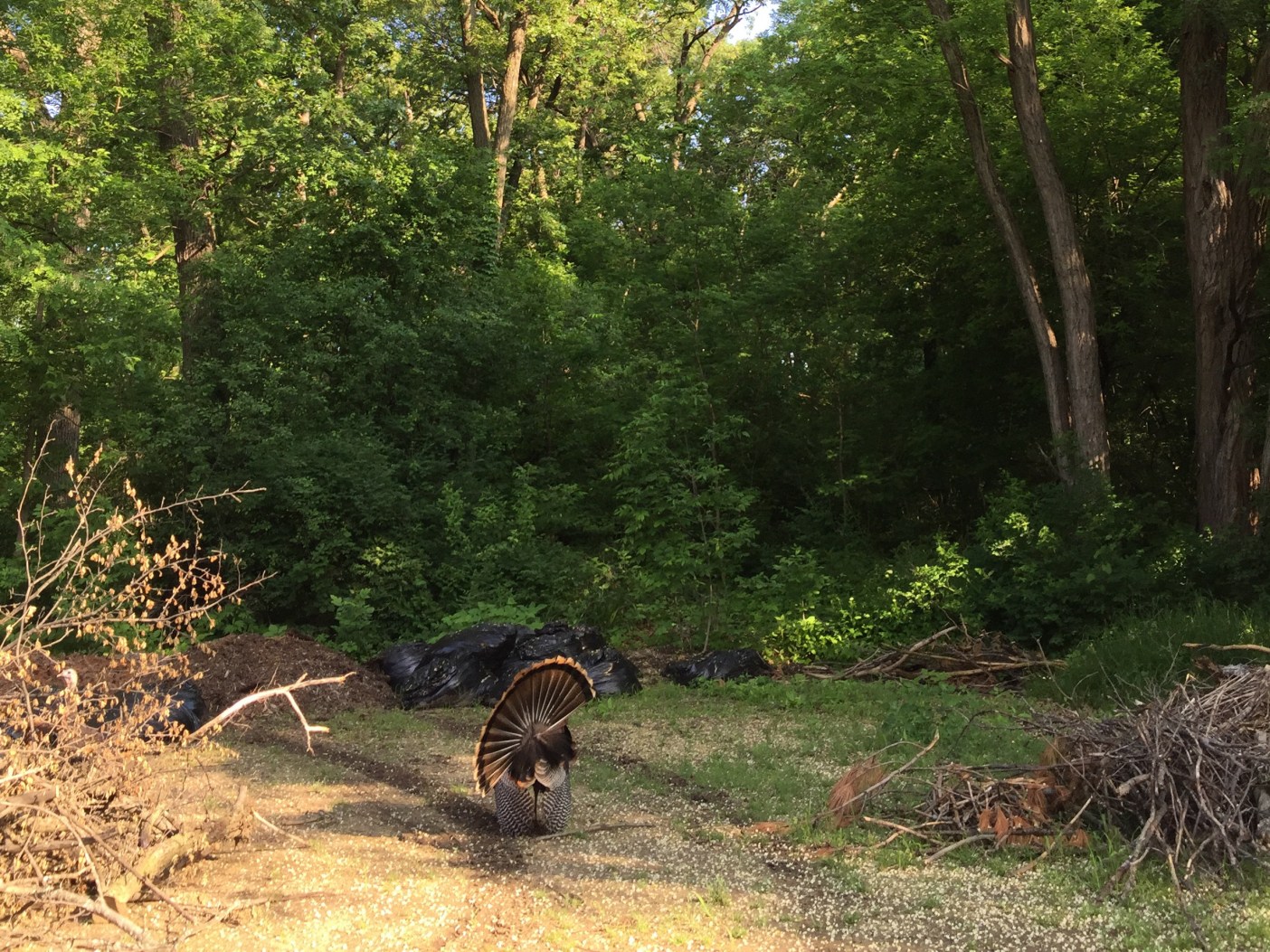
Life clamors.
The history of the forest is similar to that of much of west Madison. Prior European settlement the landscape was very different. A marsh occupied the area that is now the Odana Hills golf course and flowed eastward towards Lake Wingra, one of Madison’s smaller lakes. Aerial photography from 1937 shows this marsh and to the east of it the farm land on which the Odana forest resided. The peculiar triangular shape of the forest had already been determined in 1937. The railway, which today is a bike path, cuts through the bottom portion. Perhaps this forest was much larger, and now only a sliver remains of its original size. This is intriguing, because its size isolates the community of life from other nearby forests, like an island.
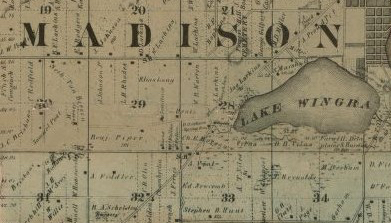
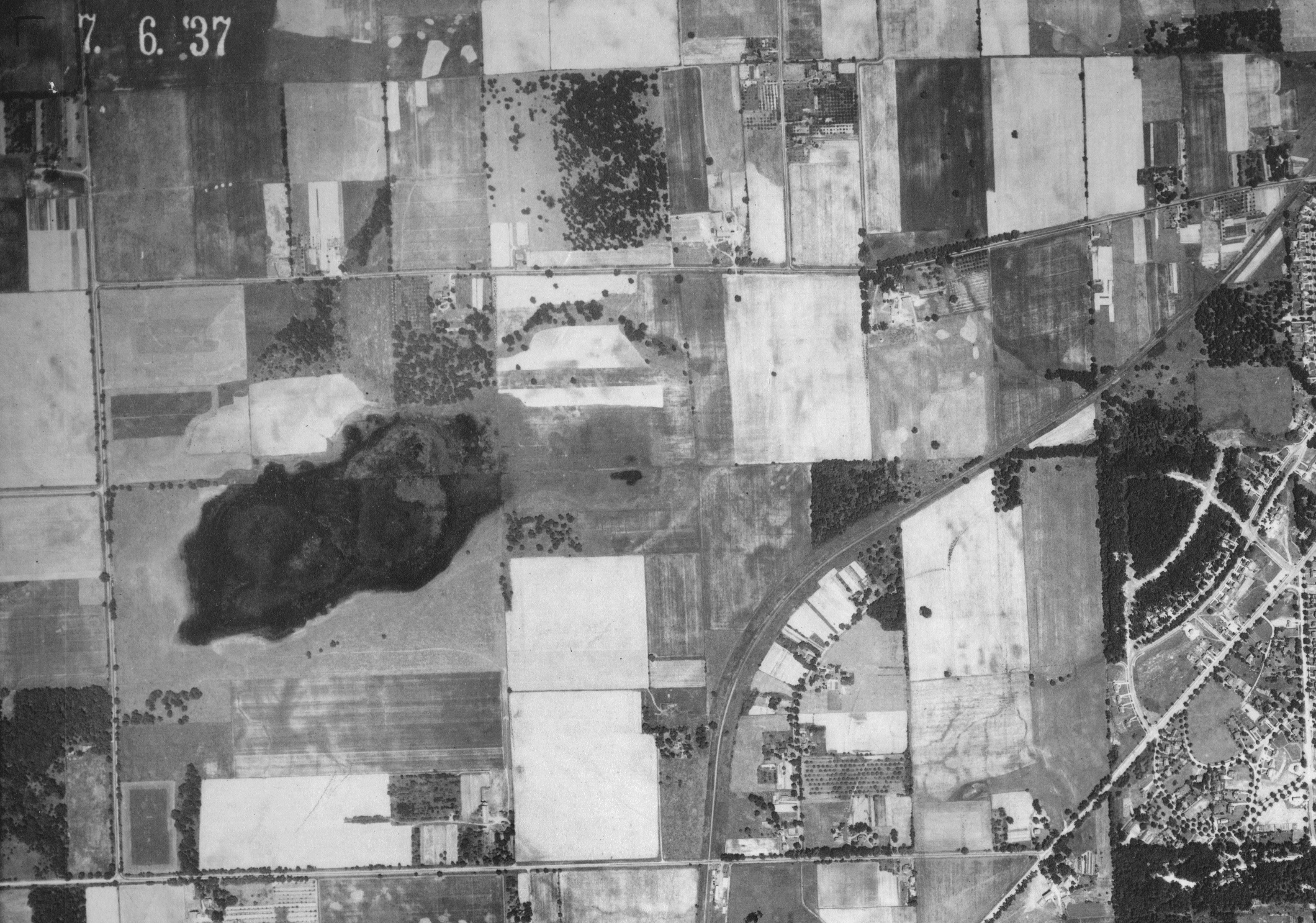
The farm land was owned by Benjamin Piper in 1860. Later, by the time of the 1937 aerial photograph was taken, the land was split between different members of the Piper family. Streets nearby are named after this family. They are said to have been in the business of repairing tractors. It is no surprise that this forest became so modified, since the land owners were experts in land modification.
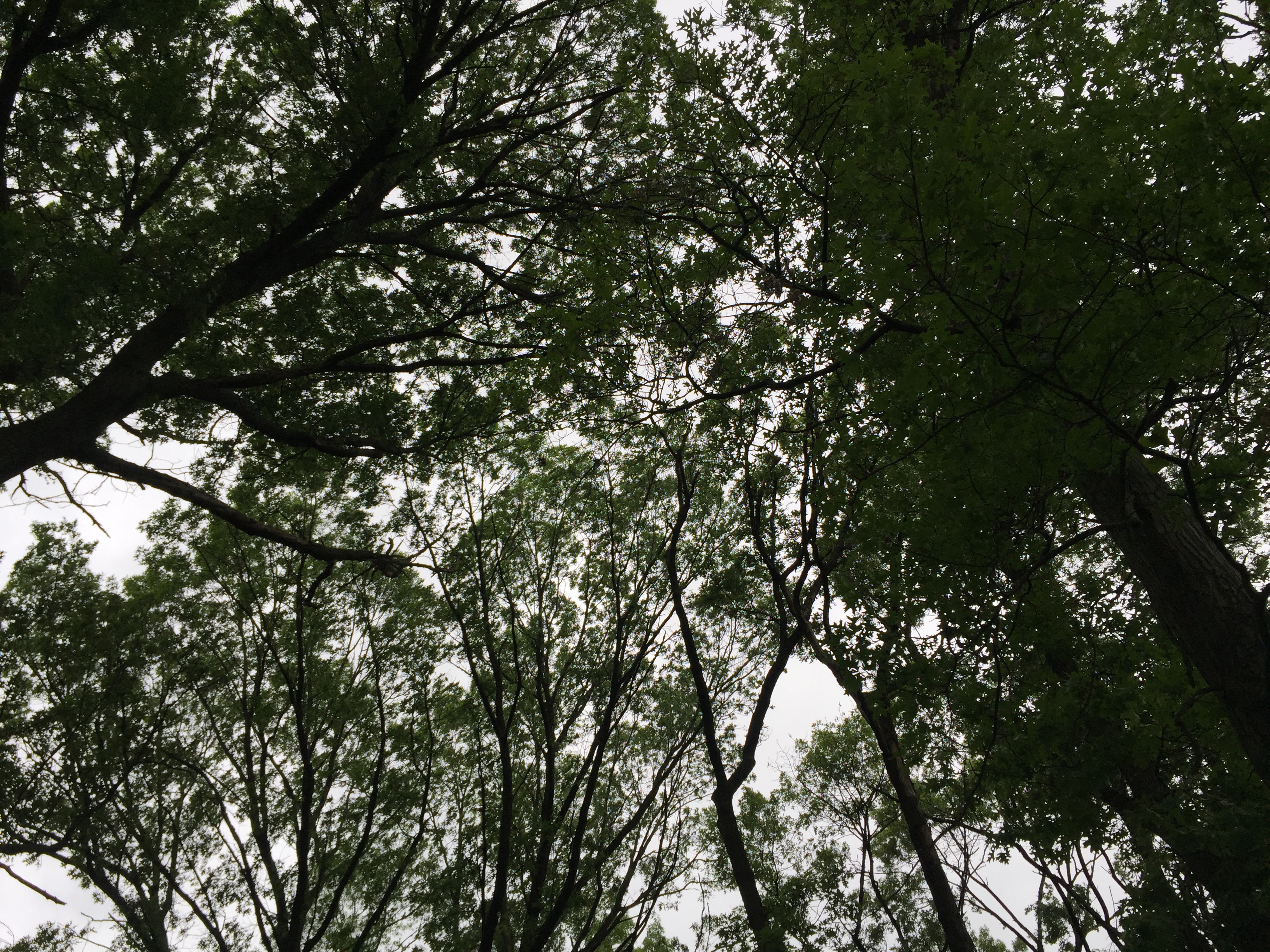
Splendor and all,
Renders us tiny,
and busy in fall.
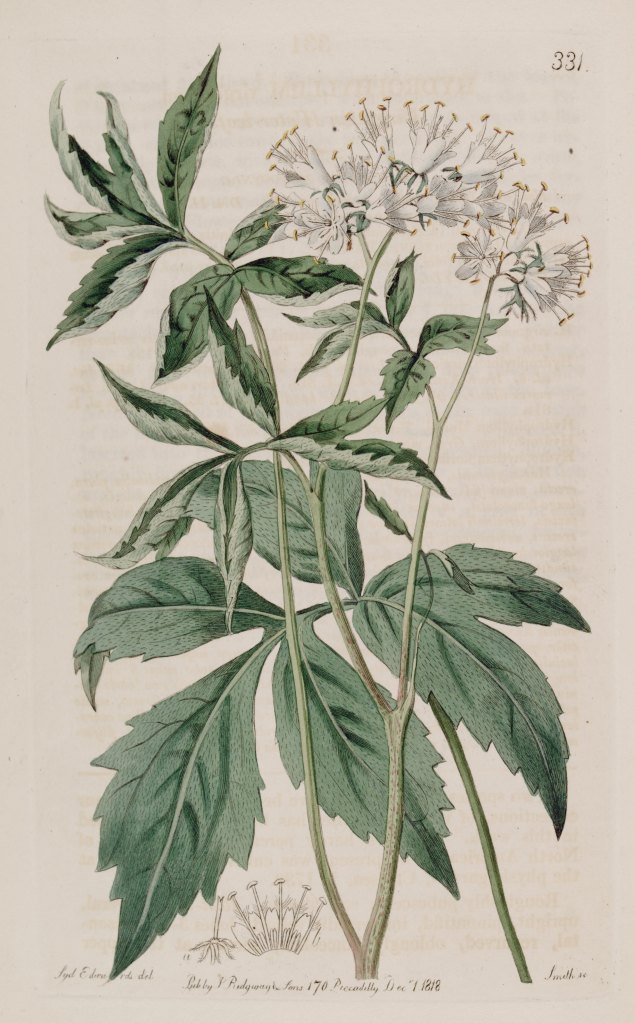
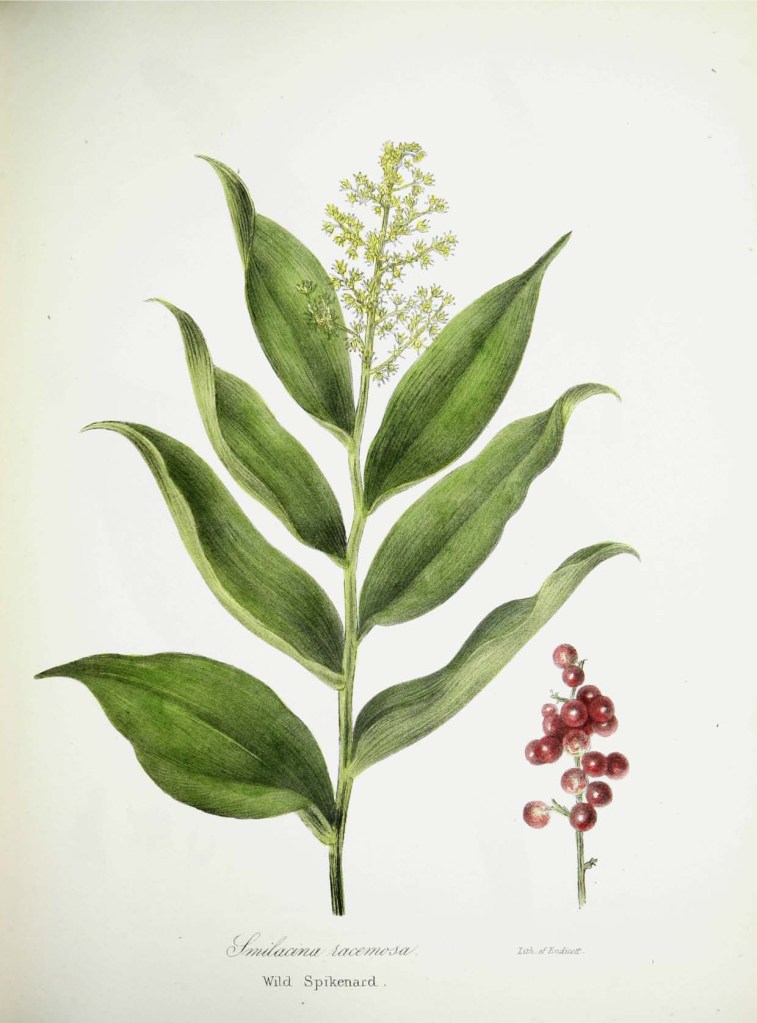
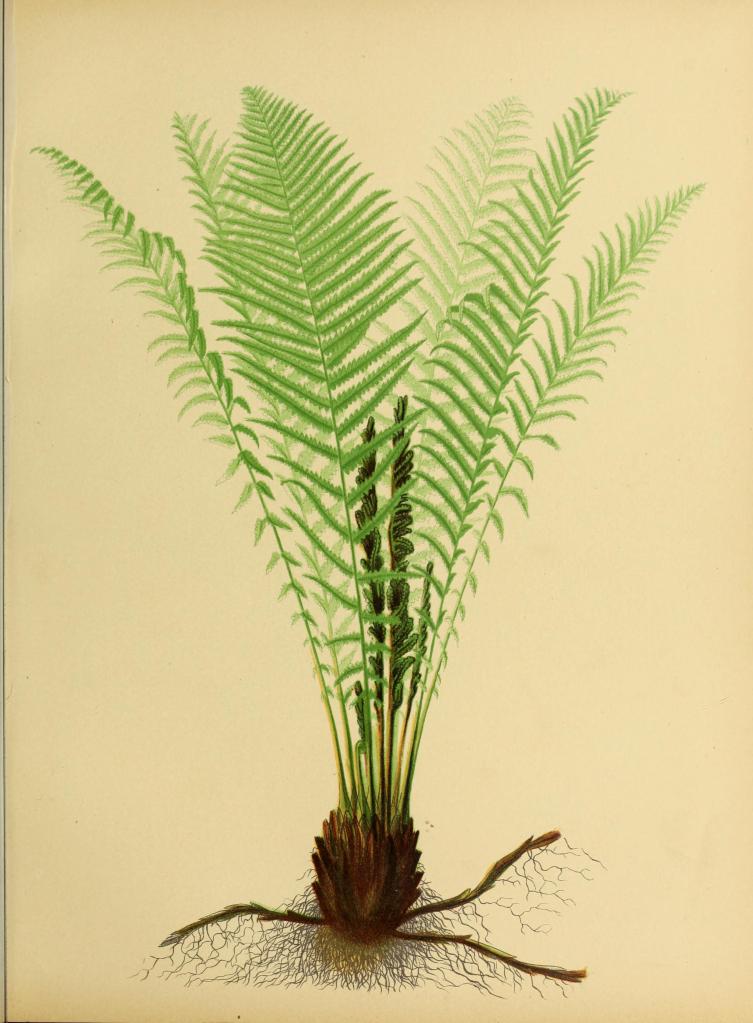
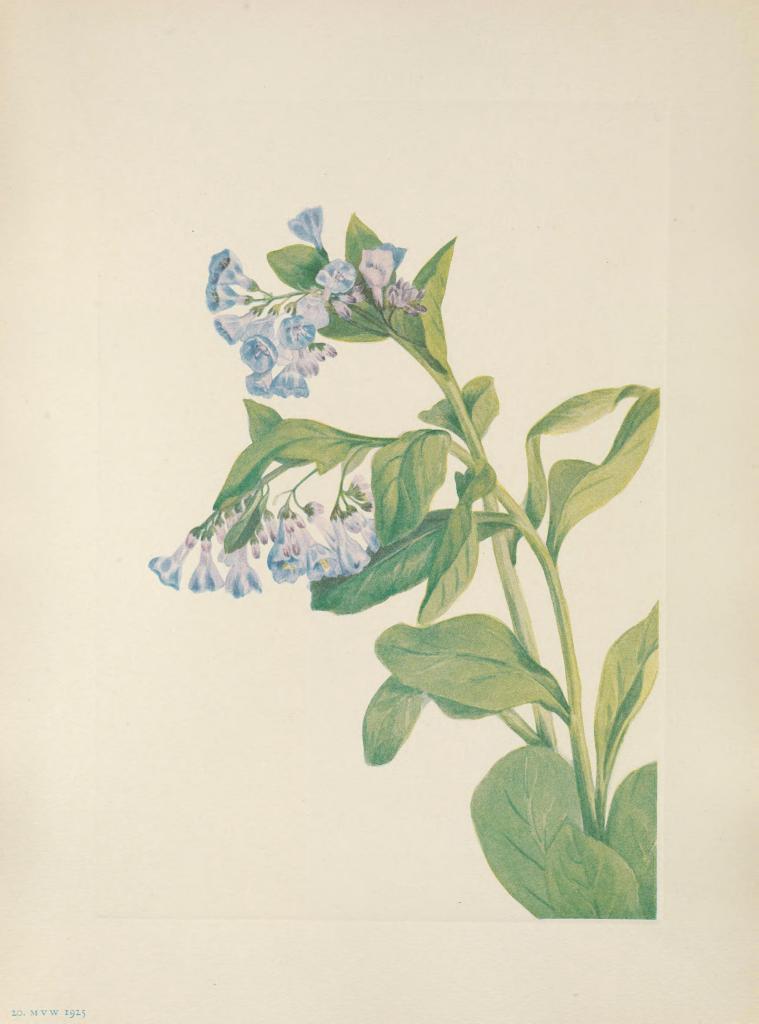
Oak tree’s aren’t the only thing gracing this forest. The understory of the forest is full of vegetation. Native species and introduced species both live together as friend and foe in this forest, much like in any urban forest. Here are some native species one can readily identify:
In all, this forest has much more to offer than its location and its size infer. It is easily accessible from the bike path, and includes small paths which are accessible during fall. It is home to various creatures, which were not included in this edition of the forest summary. Next editions will include much more!
Sources
Ligowski, A, Map of Dane County, 1861, Library of Congress, https://www.loc.gov/resource/g4123d.la001414/
USDA, Dane County, 1937, Wisconsin Historical Aerial Imagery Finder, https://maps.sco.wisc.edu/WHAIFinder/
http://botanicalillustrations.org
森林
(Sēnlín)
 PRO - Plant Research Organization