
Read this article in Spanish.
Featured image: Spanish moss (Tillandsia usneiodes) inside a forest near the peak of a hiking trail.

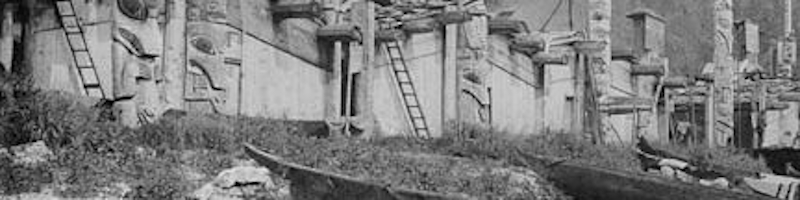
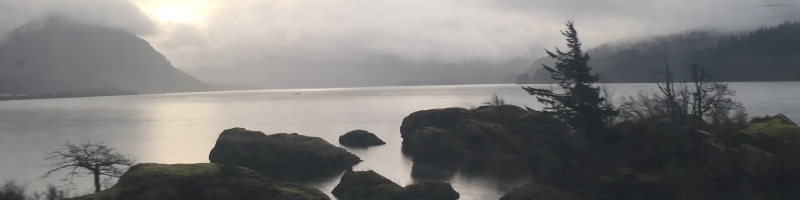
One way to arrive to the beautiful state of Oregon is to take Amtrak’s Empire Builder railway line. Watch as the Rockies melt away and your train takes you along the side of the Colombia River, where explorers Lewis and Clark would’ve traveled.
Portland



The urban center of Portland can be amazing to a newcomer. Every corner has a new botanical sight. The attitudes are calm, and the city calms the winds making it very mild in all sensations. Visitors leaving the train station will immediately find themselves in homeless encampments. There they will see people offering the less fortunate and suffering morning food. Conversations in these areas can be exciting.


Away from the city center is where you can find the varying character of the landscape and a variety of plant assemblages that range from gloomy evergreens to vibrant blossoms.


Both native and introduced plants are used as landscape plants in Portland. Newer introductions from similar places in Asia are possible due to the temperate climate.
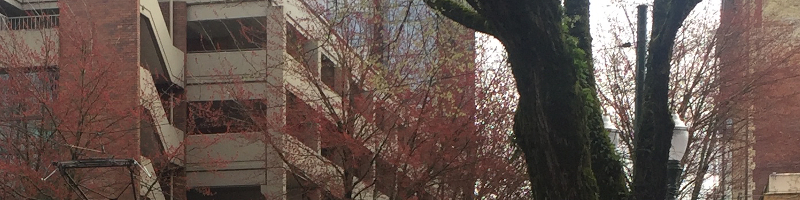


Flowering trees are one of the best moments in spring. Portland’s diverse collection of flowering trees is a great incentive to go out of the tourist attractions in the city and walk along the neighborhood streets to find street tree diversity.
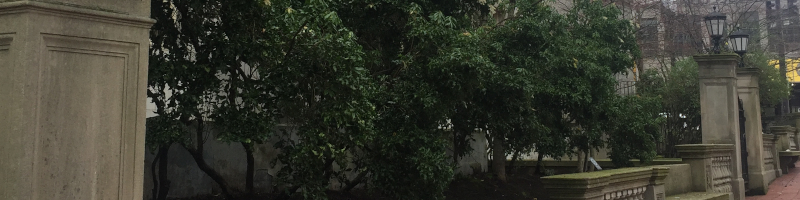
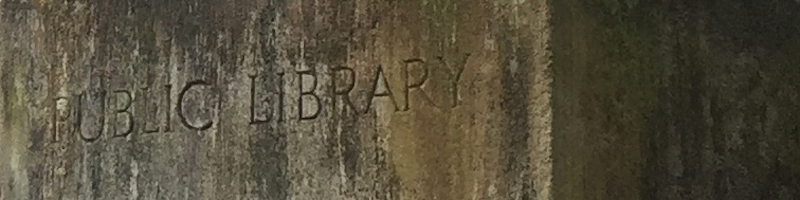
Lichen, a symbiosis of algae/cyanobacteria and fungi, turn lifeless concrete into verdant additions to the landscape. The landscape is aged and colorful despite being urban and grey.
Logging
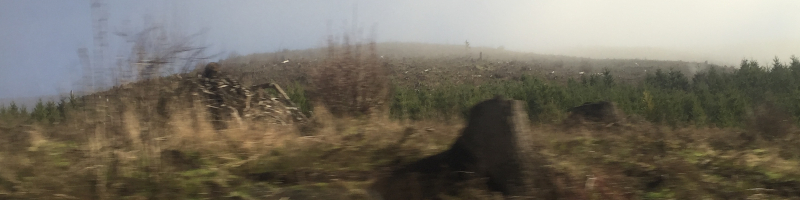
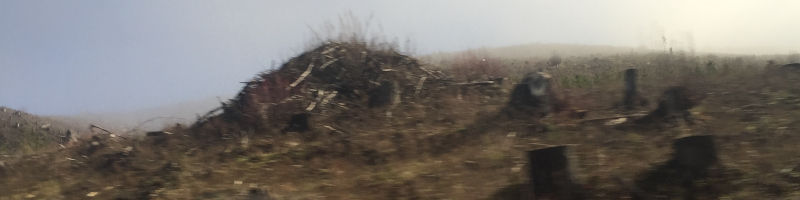
Living in a region with such a mild dormant season comes with a catch. Commercial logging plantations plant and cut down trees after centuries of unsustainable harvest of immensely large specimens.
Cannon Beach
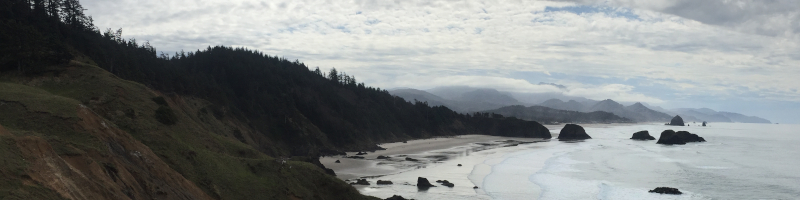

The beauty of Cannon Beach is thanks to volcanic activity, plate tectonics, and erosion. The massive boulders are close enough to shore that some are reachable by walking during the tides. These type of structures are found in several places along the coast of Oregon.
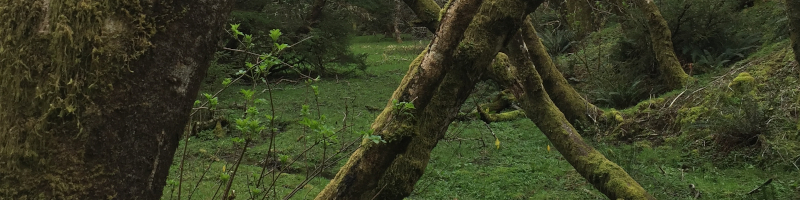
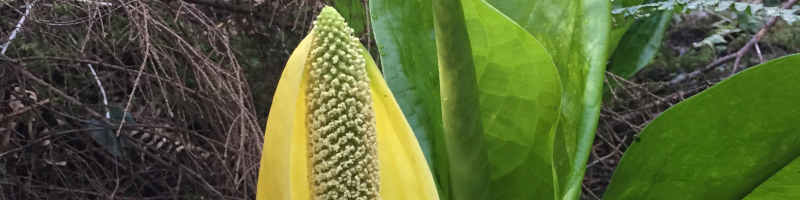
Safe from the howling winds, the interior areas of the forests are completely different from the coast. The air is still and moist with moss, ferns, and low-lying areas smell of skunk cabbage, Lysichiton americanus. This skunk cabbage is unique to region and different from the other species found around wetlands in the UW-Arboretum in Madison, WI, the Eastern Skunk Cabbage, Symplocarpus foetidus.
Manzanita
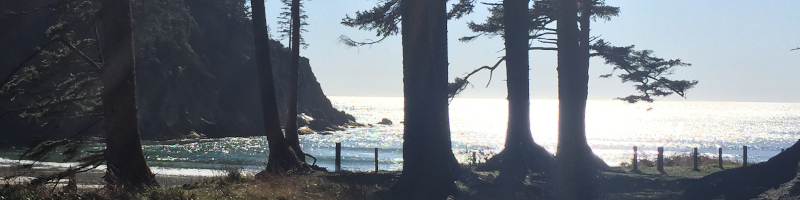


Manzanita, a small sleepy town on the coast of Oregon, is a great place to escape the tourist bustle of Cannon Beach. Its forests are fabulous examples of P. sitchensis temperate rain forests. This is the almost the southern tip, however they extend a bit further south into northern California.
Local tour guides say the Sitka spruce used to dominate the coastal regions of Oregon, collecting the mist from the ocean and growing large due to the constant supply of warmth and water from ocean currents. They noted that with climate change and deforestation that the region has become drier with less trees to receive and transpire moisture.

The same wind that supplies warmer moist air from the Pacific also makes it hard for planting new trees. Tree stakes are the greatest technological option against the physical forces that impede landscapers.
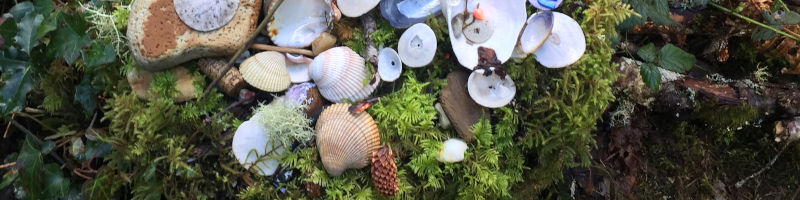
Landscapers also have the ocean’s bounty in their arsenal of ornaments. Neighbors will pass by this quaint collection of sea shells, ceramic knacks, rocks, and spruce cones in a residential forest. It is anarchic, beautiful, and a good use of a tree stump.
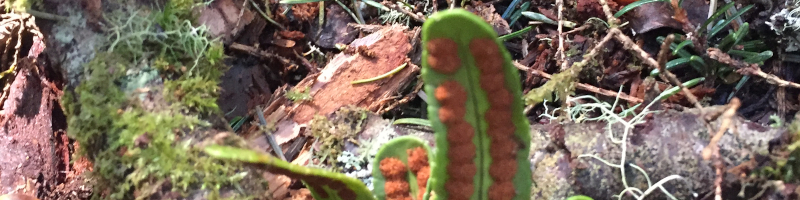


The moist conditions in the forest floor create the perfect environment for ferns to thrive. The diversity of ferns is outstanding. In some cases, they carpet the forest floor. In others, they stand out like little protrusions from the decay.
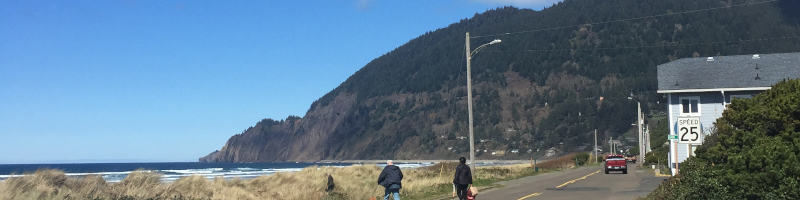
Treasure hunters have been scouring these hills looking for lost treasures hidden by shipwrecked Spanish vessels. [1] The myth of hidden treasure is not so improbable. The Spanish sent many explorations up the Pacific Coast, as north as Alaska [2][3], and had merchants travel regularly across the Pacific Ocean with many valuables from overseas territories as the Philippines and other lands connected to the Philippine trade network.
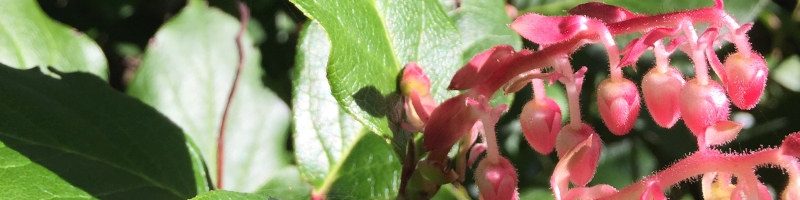

Due to the milder climate of the region, Oregon is blessed with many edible and useful plants. One of the most interesting plants is the salal shrub. In spring, it’s flimsy pink flowers glow in the sun. Why would anyone want to dig into the soil looking for the gold, when the real Neahkahnie treasure is the salal shrub.

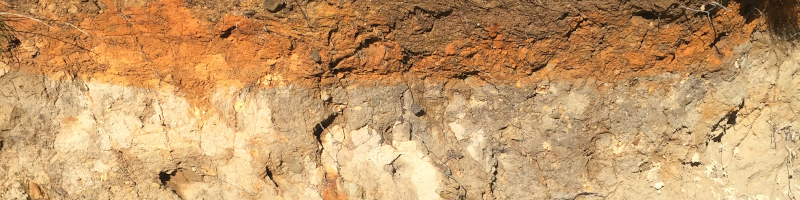
A friendly local observed that the eroded soils at the edge of the forests on the Oswald State Park beach were a great place to teach people about soil science and the region’s volcanic past.
Author: Gustavo Meneses
Published: 2023-01-26
Revised: 2024-04-25
References
[1] John, Finn J.D. The legendary Spanish gold of Neahkahnie Mountain. offbeat oregon. Aug 22, 2010. Website. Accessed Jan 26, 2023.
http://offbeatoregon.com/H1008d_spanish-gold-of-neahkahnie-mountain.html
[2] Kiffer, David. “Spanish Explored Alaska in the 1700s”. SitNews. Website. Accessed Jan 26, 2023. http://www.sitnews.us/Kiffer/SpanishExplorers/072511_spanish.html
[3] Rochester, Junius. Exploration in the Pacific Northwest Before American Presence. Apr 23 2003. Website. Accessed Jan 26, 2023.
https://www.historylink.org/File/5449
Images
[1a] File:Haida Houses.jpg
George M. Dawson
July 1878
https://commons.wikimedia.org/wiki/File:Haida_Houses.jpg
[2a] File:Picea sitchensis distribution map.png
Alexrk2
August 2009
https://commons.wikimedia.org/wiki/File:Picea_sitchensis_distribution_map.png
 PRO - Plant Research Organization

