
Read this article in Spanish.
Featured image: Rose oil distillation in Iran, one of the largest producers of rose oil and distributors of rose water. [1a]
Movement

Plants function like chemical factories. These endogenous biochemicals distribute energy throughout the plant, help it complete its growth functions or metabolysis, and protect it from predator animals. Plants can’t chase away nor run away from their predators, so they poison them.
The word ‘animal’ come from the Latin and Greek word Animus and ἄνεμος, implying breathing and movement. In contrast, most plants can’t react or move when threatened. Plants don’t have legs. They’ve inherited the chemical survival traits of their ancestors.
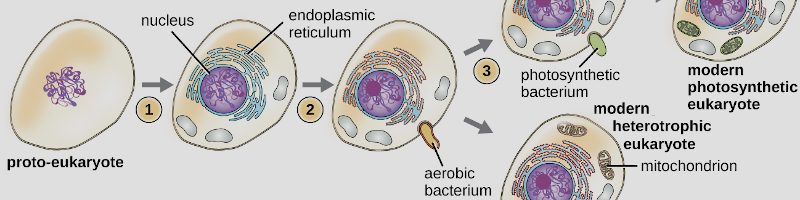
Long ago, the common ancestor of all plants began to photosynthesize. Scientists hypothesize, these ancient microorganisms began to eat each other. In this process, one organism swallowed another and relied on its metabolism. The chloroplast was transformed from food into an essential organelle. Because of its reliance on light as an energy source, it developed a sedentary body optimized for light capture and water management. In contrast, the common ancestor of animals relied on the consumption of other organisms, and optimized for movement and complex signals for food detection, like eyesight.

Wikimedia Common [4a]

(All species of Venus Fly Trap known to humankind). Wikimedia Commons [5a]
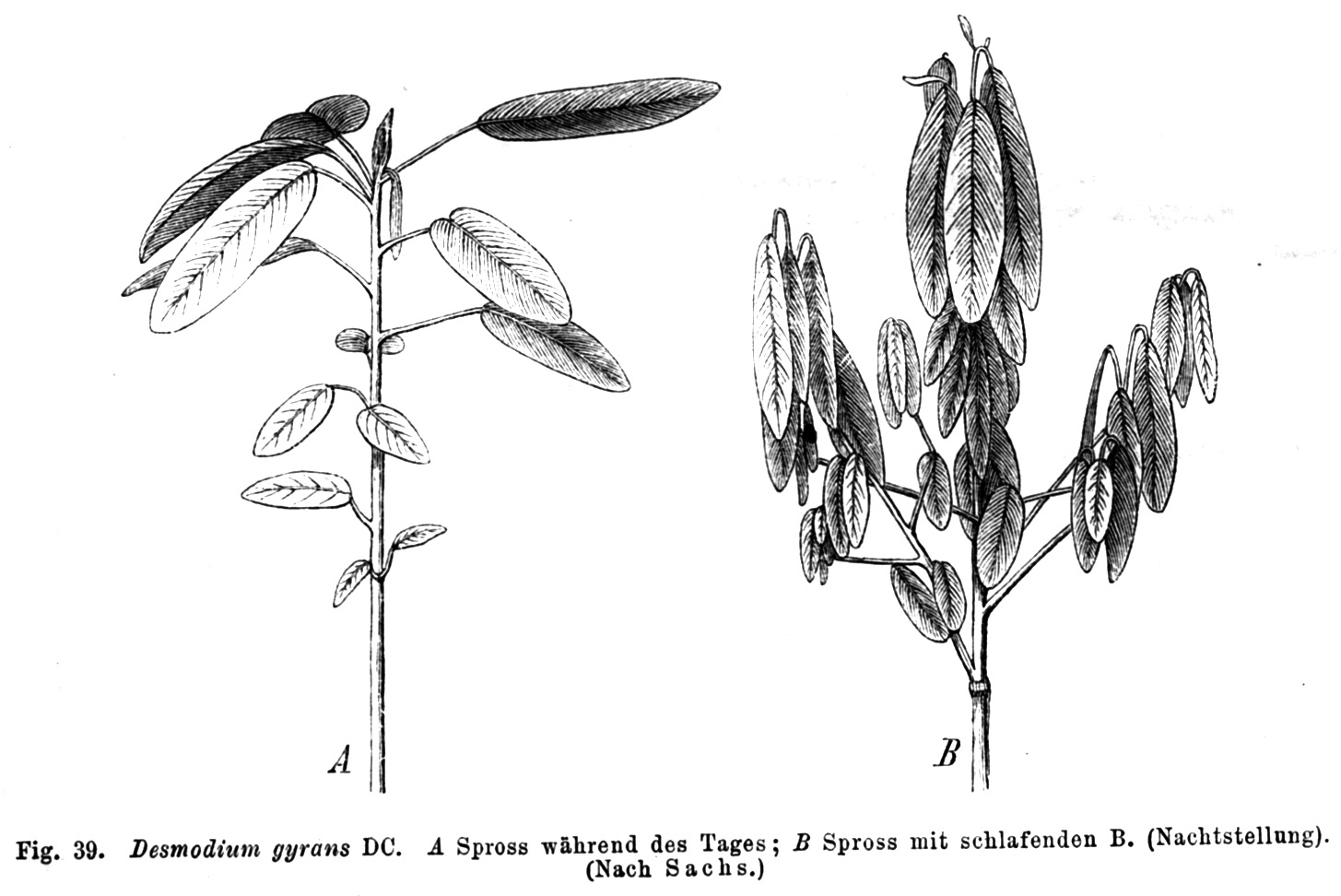
Some plants do move. These plants fascinate biologists, because they have rudimentary nervous systems. For example, the Venus Fly Trap (Dionaea muscipula), a plant native to the southeastern United States, has barbs, which send complex electro-chemical signals to trigger a mouth-like trap. The Sensitive Plant (Mimosa pudica) reacts to touch and rapidly loses turgor in its leaves, as if it’s dead. The Dancing Plant (C. motorius) not only changes turgor at night, it can also slowly tilts its leaves in response to loud continuous sounds like musical instruments [2].
From this perspective, it is easier to appreciate the comparisons between plants and animals at a molecular level. Both plants and animals conduct catabolysis, the breakdown of molecules into energy, and anabolysis, the combination of molecules with the help of energy. Catabolism and anabolism are part of metabolism. Metabolysis is the change and arrangement of resources for the sake of life. In this case, energy isn’t a big explosion, it’s a biochemical configured to initiate easy new reactions.
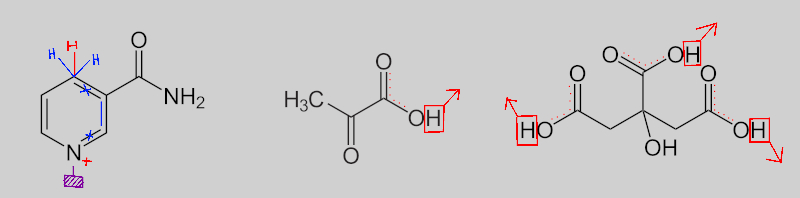
Primary metabolites found in all living cells, no just plants. Plants helped researchers discover the processes behind metabolism in animals, and therefore influenced the naming of compounds. The above molecules play important roles in cellular respiration, which occur in the mitochondria of living cells.
(left to right)
1. Nicotinamide – Known as Vitamin B3, it is a constituent of Nicotinamide adenine dinucleotide (NADH/NAD+) an important electron transporter molecule in cellular respiration. [4]
Red: Oxidized form (NAD+) accepts electrons (e-) aka Reduction.
Blue: Reduced form (NADH) donates e- aka Oxidation.
Purple: In NADH/NAD+, Nicotinamide bonds to a Ribose molecule bonded to another electron transporter molecule, Adenosine diphosphate (ADP)
2. Pyruvic acid – Name originates from wine production. Combines Greek word ‘Pyr’ (πυρ) meaning ‘fire’ as in the word ‘pyrotechnic’ and Latin word ‘uva’ meaning Grape (Vitis vinifera).
It is the acid form of Pyruvate, the product of a process called Glycolysis, which is the precursor to
anaerobic fermentation (without Oxygen, O)(ex: yeast in alcoholic beverage production),
anaerobic glycolysis (ex: bacteria used in Yogurt production),
and aerobic respiration (ex: important to animals [lungs], inside cells of plants, etc…).
Red: Hydrogen (H) atom connects to another molecule to form the base equivalent, Pyruvate, which causes double bond to exist between two O atoms.
3. Citric acid – Name from Citrus plant genus (ex: Lemons, Limes, Oranges, Grapefruit, etc…) used in experiment to stop the browning (oxidation) of plant material.
Red: Several H atoms leave to form the base equivalent, Citrate, one of the first molecules in the Krebs Cycle aka Citric Cycle, an important of the cellular respiration.
Wikimedia Commons [6a][7a][8a]

1. Nicotine – An alkaloid found in many plants of Solanacea family (ex: eggplants, etc…)[5]. Found in greatest concentrations in tobacco (Nicotiana tabacum) [Photo: Tobacco field in southern USA] .
Nicotine has been transformed into a class of synthetic pesticides called Neo-nicotinoids (neonics), which are used most often as a protective seed coat [6]. Many entomologists see the rapid increase in use of neonics as a factor in the loss of non-target species of insects. Insects are a necessary organism in the lifecycle of most plants.
2. Limonene – A terpenoid found in high concentrations in lemons, and also many other plants.
[Photo: Dissected lemon
(outside -> inside: flavedo layer with oil glands or exocarp,
albedo layer or mesocarp,
and 2 locules or segments of the carpel filled with juice vesicles.)]
3. Paclitaxel or brandname Taxol® [7]- A taxane, a class of diterpenes, which interferes with cell replication and studied for cancer treatment.
Poisonous taxanes and the alkaloids, Taxines, are found in the leaves and seeds of Yew trees or shrubs (Taxus spp.).
Even though the arils (fleshing coating of seed) look like fruit, people are warned not to eat them, despite claims the flesh is not toxic, while the seed is.
Wikimedia Commons [9a][10a][11a][12a][13a]
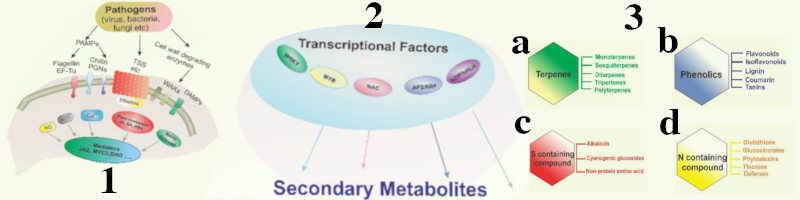
2. Transcription creates new complex amino acid chains. Structures are specific for certain classes of biomolecules.
3. Classes of biomolecules:
a. Terpenes (ex: Pine trees [Pinus spp.]): Monoterpenes, Sesquiterpenes, Diterpenes, Triterpenes, Polyterpenes
b. Phenolics (ex: Oak trees [Quercus spp.]): Flavonoids, Isoflavonoids, Lignin, Coumarin, Tanins.
c. S-containing compounds (ex: Solanaceae family, Milkweed [Asclepias spp.]: Alkaloids, Cyanogenic glycosides, non-protein amino acid.
d. N-containing compounds: Glutathione, Glucosinolates (ex: cole crops and other species [Brassica spp.]) Phytoalexins, Thionins, Defensin.
Wikimedia Commons [14a]
Plant metabolites react together to perform the essential metabolism of plants [8]. Secondary metabolites preform the more complex less-essential functions.

Rainbow represents 7 distinguishable electromagnetic wavelengths of visible light. The interference of visible wavelengths in photosynthesis, which catalyzes reactions in plant primary metabolism, is the main selective pressure for plant lifestyle and metabolic activity. The chlorophyll pigments of leaves absorb most wavelengths and reflect the wavelengths of the color green and yellow.
Plants don’t have brains. They do not strategize like humans, nor do they decide to poison their predators. They have inherited these traits from the survivors.

Lighting technology has improved. LED light bulbs are known to emit the least amount of heat, but are also expensive. Protective eye-wear should be used if working around artificial lights for prolonged periods of time, since they can damage eyesight.
Indoor grow operations can also control light duration and stimulate plants’ production of primary and secondary metabolic responses to the changing duration of sunlight throughout the seasons.
Credit: Gus Greiling

Wikimedia Commons [15a]
Plants and animals have many of the same primary metabolites. Mutations cause anabolysis and catabolysis of primary metabolites into new secondary metabolites. Plants inherited these mutations from their survivor ancestors. From our perspective, these primary metabolites look and are named as if they derive from the secondary metabolites, yet it’s the other way around! Secondary metabolites mimic the primary metabolites of the other species and change the way their bodies work. Animals haven’t had the selective pressures associated with plants’ lifestyle. Unable to move, plants survive because of these chemical mutations.
Many of the characteristics we associate with one plant over another are because of secondary metabolites. Secondary metabolites have been selected through generations by predation, environmental stressors and breeding. Secondary metabolites protect plants in unique ways. The survivor plants can inherit poisons, volatile substances, skin irritants, allelopathic substances and much more. Ironically, many of the traits used to defend themselves are also the same ones we find pleasant. The survivor plants inherited an arsenal of attractant chemicals to lure animals.
For example, the chemical Capsaicin makes Hot peppers (Capsicum spp.) hot. This secondary metabolite reacts with receptors found in mammals, but not birds. Scientists hypothesize, only mammals would eat the peppers and chew the seeds. The only pepper plants to survive predation were the mutants with the unpleasant experience for chewing mammals. Birds, on the other hand, don’t chew these seeds and therefore weren’t a selective pressure. Chewing mammals were the selective pressure.
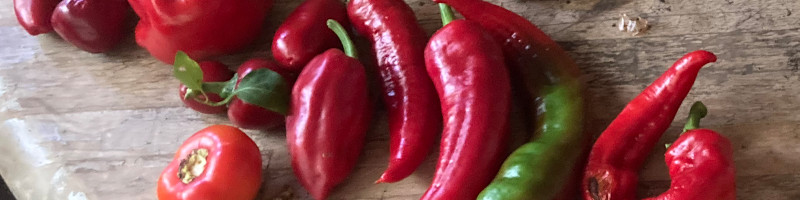
In ancient times, native Americans farmed and bred hot peppers all over the warm Americas. Modern pepper breeders like Jim Nienhuis study and relate stories about this exotic fruit. For example, there’s the Jalapeño pepper (from Xalapa, México), the Serrano pepper (from the mountains of Mexico or ‘Sierra’ in Spanish), and the Habanero pepper (originally from Brazil, not Havana, Cuba). These peppers are used in today’s hot sauces around the world, like the Korean national dish Kimchi (김치).
Capsaicin is a type of alkaloid. Many poisonous and addictive alkaloids are found in the pepper family, Solanaceae (tomatoes, eggplants, potatoes, tobacco, peppers, etc.). This demonstrates a trend in the plant kingdom. Families of plants often share some chemical similarities. Not always!
Plant Families and chemistry trends
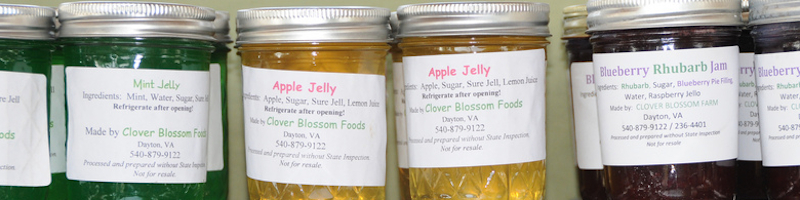
The red rhubarb stalks harvested in Spring must be cooked before eaten, and other parts of the plant are inedible.
While apples and blueberries may have their own sweetness from endogenous sugars, rhubarb and mint do not.
Wikimedia Commons [16a]
Many species and genera can share similar chemical compositions within a Family. The primary determinant for deciding a family used to be a morphological analysis of its reproductive parts, but now has become phylogenetic. Although there are trends in the chemical composition of plants within Families, this is not the rule.

For example, the family Sapindaceae contains a variety of capsule fruit trees which contain saponins. The fruits of many of these trees have been called soapnuts for this reason, since saponin is a detergent [9]. Recently, maple trees were added to the Sapindaceae family, because of phylogenetic similarities. Chemical characteristics depend on each species. For example, Red Maple (Acer rubrum) has more saponins in its sap and less sugar than Sugar Maple (Acer saccharum) [10]. The plants in Sapindaceae are not the only plants with high levels of saponins.

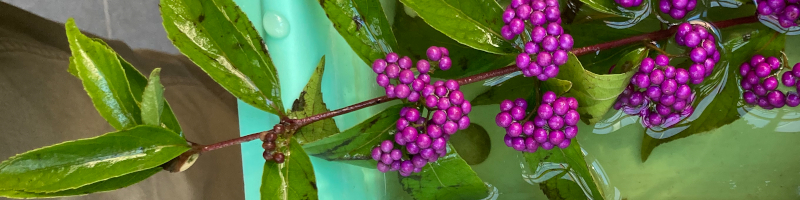
Another example is the mint family, Lamiaceae, which have volatile oils. These oils have chemical structures, which allow them to exist as liquids and gases at outdoor temperatures. They are constantly evaporating [11]. These aromatic oils are what give the aroma and flavor of mint (Mentha spp.), basil (Ocimum basilicum), lavender (Lavandula spp.) and thyme (Thymus spp.). Many plants in the mint family are edible, but not all. Weeds like Creeping Charlie (Glechoma hederacea) are poisonous to Horses. Before phylogeny, Lamiacaea were grouped together for their square stems, opposite leaves, irregular flowers and volatile oils.

One of the largest and most useful plant families is Rosaceae, the rose family [12]. In the rose family are apples (Malus spp.), pears (Pyrus spp.), strawberries (Fraginella spp.), raspberries (Rubus spp.), cherry (Prunus subg. Cerasus), peaches (Prunus persica), plums (Prunus subg. Prunus), nectarines (Prunus persica var. nectarina) and almonds (Prunus amygdalus). Many of these plants have toxic leaves and stems. Not all members of Rosaceae are edible. Yet, there are some trends in the oils and sugars in their fruit.
Poisons

Phytochemicals can burn skin, damage liver, cause blindness, irritate the lungs, and can be lethal. Avoid contact by using protective clothing; follow proper cooking instructions; avoid using products near anus, vagina, eyes, or nose unless specified by doctor; seek information, and avoid unnecessary risks with rare foods. [13] [14]
Plants are dangerous and can hurt you for the rest of your life. Plants can cause pain, itchiness, blisters and burns on your skin. Secondary metabolites of plants can critically damage your organs and cause them to fail.
Some plants cause diarrhea and can damage your liver permanently. These survivors inherited the ability to cause birds and animals to defecate their seeds before digestion. Other plants can cause the hearts of animals to change rhythm and cause heart attacks.
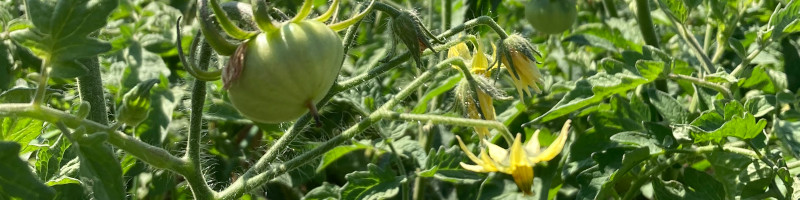
For many of our food crops, certain organs of the plants are poisonous while others are not. Very often, the leaves, the stems and flowers of plants are poisonous while the fruit we eat is not, like in tomatoes (Solanum lycopersicum). In other cases, even our own food can be poisonous if they are not properly prepared.
Many legumes (beans, etc.) are poisonous when raw because of the presence of glycosides. These are poisonous proteins which can only be removed after soaking, rinsing and cooking the beans. High temperatures denature the poisonous proteins in beans. For many cultures, legumes have become an important part of their diet, yet for others they are not familiar with the steps necessary to neutralize the poisons.


Another example is potatoes (Solanum tuberosum), which have poisonous stems, flowers and leaves, except the underground tubers, if cooked and not green. Native South Americans had many ways to prepare and preserve potatoes. They cooked them and also freeze dried them to add to soups. Potatoes were the perfect root vegetable, hidden away beneath the soil, away from the mountain wind and cold.
Potatoes are alive. Once exposed to the light, they will photosynthesize and produce the same poisonous secondary metabolite alkaloids in their stems and leaves. That’s why green potatoes are bad.
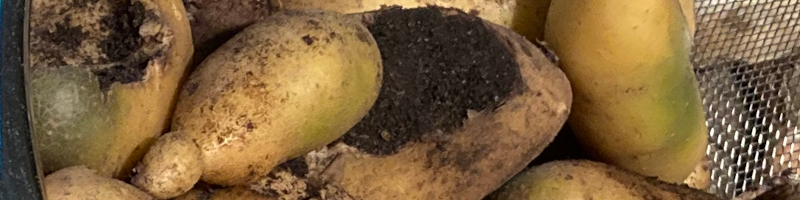
Because potatoes are still alive, as they try to survive, they change their starches into sugars (energy). This happens most when potatoes are put in cold refrigerators and freezers (<45°F or <7.2°C)[15]. If a potato has produced too many sugars, when it is fried to make potato chips or French fries, the sugars become burnt and turn the chips black.
Since the Age of Exploration, many crops have been introduced from different regions of the world to others. Because of the poisonous Solanaceae plants of Europe, many in Europe were afraid to eat tomatoes and some advised against it for the same reasons doctors today do [16]. Professor Jim Nienhuis, a Solanaceae crop breeder, had once said that tomatoes weren’t the staple solanaceous fruit for the native Mesoamericans, it was tomatillo. In México, tomatoes are called Jitomates and are not as central to dishes as they are in Italy, where they were introduced and incorporated into Pizzas and Pasta.
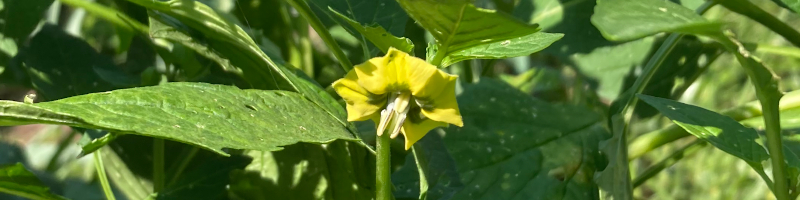
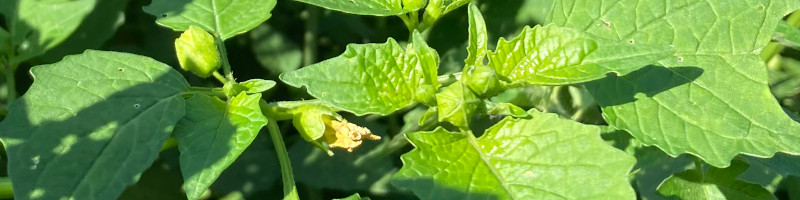

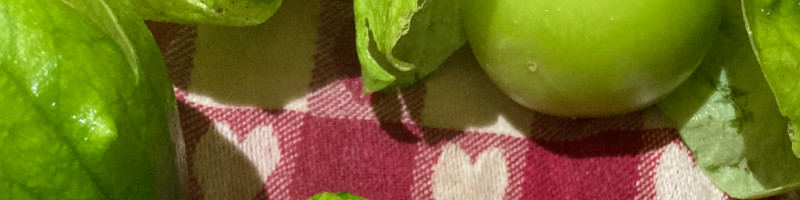

Two immature (left) and one mature fruit (right).
Madison, WI, Aug 10, 2022
So curiously, tomatoes were popularized and bred in Europe, then reintroduced to North America. Tomatoes are also a unique crop, because their secondary metabolites give their fruit a distinct flavor which is preserved by dehydration and processing. Soups, ketchup and many other tomato flavored foods use Tomato Paste as an ingredient. Tomato Paste is a unique product, because it is one of the few vegetables which is processed and preserved. For this reason, it is easier to ship around the world as Tomato Paste.
But there’s lots of plants that we eat that are poisonous in one state or another. I’d always think that if potatoes were discovered now, they wouldn’t be allowed in this country, because green potatoes are quite poisonous.
Martin Crawford, “Martin Crawford’s FOREST GARDEN” @ 10min 25sec
Processing plants to become food is an ancient craft. Cooks must be discerning and wise.
Even more risky is looking for plants in the wild. Plant foragers look for wild foods in nature. They take extra risks, which put them in danger of choosing the wrong plant, not preparing it the right way and contaminating themselves with pollutants.
Plant foragers advocate for education. We also advocate for education. In a survival situation, people must learn to identify the plants which will help them live. Yet, PlantResearchOrg feels obligated to share the risks of plant foraging. A simple mistake can harm you. In urban environments, the neurotoxic metal Lead (Pb) can be accumulated in soils and plant tissues. Also, city officials and property owners may spray pesticides without your awareness. In these cases, it is best to grow plants in an allocated space, where soil tests can confirm its suitability for human consumption.
In some regions, such as Milwaukee County, Wisconsin, laws prohibit foragers, because of over-consumption and ecosystem disruption [17]. Most foragers advocate for limited harvest practices to avoid over-harvesting an area and depleting it of a plant species.
Medicine
I will use those dietary regimens which will benefit my patients according to my greatest ability and judgement, and I will do no harm or injustice to them.
Hippocrates, “Hippocratic Oath”, Accessed Sep 11, 2023. http://data.perseus.org/citations/urn:cts:greekLit:tlg0627.tlg013.perseus-eng3:1 [18]
… I SOLEMNLY PLEDGE to dedicate my life to the service of humanity;
THE HEALTH AND WELL-BEING OF MY PATIENT will be my first consideration; …
World Medical Association (WMA), “Declaration of Geneva”, 1948, Accessed Sep 11, 2023. https://www.wma.net/policies-post/wma-declaration-of-geneva/
Many of our modern medicines are derived from plant metabolites [19][20]. Pharmaceutical companies, governments and universities will fund expeditions to remote locations, so ethnobotanists can study what botanical medicines tradition societies use to treat illnesses, since our society has lost this type of knowledge.
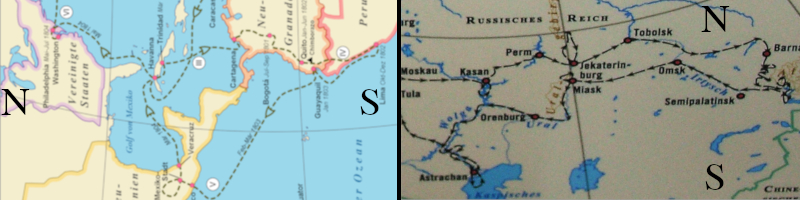
These trips were the first of many trips designed to survey, and study nature, which would later result in the exploitation of medicines and foods. They allowed colonial settlers to identify with their new environments, inspired them to forge new identities and productive relationships with the nature around them, since much of their new home was unknown, as Europe was to their displaced ancestors.
Alexrk, Wikimedia Commons [17a] Notafly, Wikimedia Commons [18a]
The study of botanical medicine is still unknown. Medicinal herbs are sold worldwide by many and claims of medicinal properties are often unproven. Scientists in China, India and Germany have made an effort to use the scientific method to prove the efficacy of botanical medicines, which have been used there traditionally.
Doctors are trained to administer medicines. Many medicines have side effects and at different dosages become poisonous and lethal. The LD50 (Lethal Dose 50) is a measurement of the dosage, which kills 50% of the test population of lab animals. The lower the LD50, the more toxic the substance is, since it can kill 50% of the test population with less of the chemical. Medicine can affect people differently. Many have been upset with modern medicine, because of its reliance on chemistry, such as plant metabolites and their synthetic derivatives, to induce changes to our body. Early practitioners of medicine and modern holistic doctors have attempted to incorporate different approaches to health such as diet and exercise.
Drugs
Unfortunately, many secondary plant metabolites are addictive substances which mimic our endogenous chemistry and cause deleterious changes to our organs if abused or used long-term [21]. These substances can be lethal at certain dosages, and induce changes in behavior, which may not benefit the individual and those around them. Drugs change our ability to react constructively to the special moments in our lives
Poisonous and addictive opioids from Poppy (Papaverum somniferum) were synthesized by pharmacologists in order to control aspects of their interactions with the human body and to be able to patent them, so they could be sold for money. They transformed these plant metabolites into hundreds of different medications to manage pain after surgeries and injuries, particularly in war [22]. Pharmacologists have altered these botanical opioids to produce hundreds of different synthetic forms, like Fentanyl , an opioid with an extremely low LD50 (average Lethal Dose for 50% of test animals), 50 times more potent than heroin and 100 times more potent than morphine, which has caused thousands of deaths in recent times [23][24]. This dangerous synthetic opioid has been secretly added to other drugs. Many abused prescription medications are synthetic opioids.
Cannabinoids are the secondary metabolites of Cannabis and mimic our body’s endocannibinoids. Because of the criminalization of marijuana (Cannabis sativa), pharmacologists have produced synthetic cannabinoids to circumvent the law [25]. Researchers are still trying to understand how our endocannabinoid system works. It was recently discovered after narcotic cultivars of Cannabis sp. from Asia became popular worldwide through international trade. The endocannabinoid system is said to govern the brain and the stomach. These synthetic cannabinoids, which are sprayed on dried herbs and sold in corner stores in impoverished areas, have caused mass poisonings of people seeking a legal alternative to marijuana. [26][27][28][29][30] Some doctors have determined C. sativa, an ancient herb used in medicine, to have medicinal properties, while other doctors have not. For many young people today, marijuana is a seemingly safe drug, yet it can introduce people to new more dangerous drugs through the illegal trade or black market, can be habit forming, and cause risks to lung health if smoked, particularly if mixed with other substances and smoked from materials containing toxic metals and other chemicals, since the vaporized resin in marijuana can settle and trap those substances in the alveoli of our lungs.
Understanding plant metabolites shows us how the survivor plants have inherited chemical defenses, which mimic and alter our own chemistry. These substances have been used by humans to trick our bodies when they’ve been damaged or are sick, yet they have been transformed into recreational drugs, which alter our lives and put us at risk.

Studies show abstinence after a time of prolonged use can heal our organs and restore much of our function to the time before drug use.
Mutagens
Some plant metabolites can be mutagenic or cause damaging changes to the genes of an organism. This affects their development.
Some plant metabolites can have harmful effects on the development of babies. Since some plant metabolites mimic chemicals in our own bodies, they can interact with how babies develop in the womb. Pregnant women are advised not to consume certain plants and are advised to talk to their doctors. This is not restricted to humans. The same plants which caused diarrhea and liver damage to induce defecation can kill tadpoles.
Other plants can also be affected by plant metabolites. Certain mutagenic compounds have been harvested and used by plant breeders to intentionally cause mutations in order to create new varieties, through a trial-and-error process. Other plant metabolites can be allelopathic, which means they inhibit the growth of the plants around them.
Morals
It seems plants are these terrible dangerous things we need to avoid. Fortunately, we have knowledge and wisdom preserved through generations and by different cultures, which help us navigate the jungle of life. Today, we are becoming more knowledgeable about the risks and therefore it seems like everything is worse.
Ultimately, we are faced with tough decisions about how to manage our lives. In the process of navigating this jungle, we should not forget to accept others for who they are and what they do. We should also learn to forgive ourselves and others, since mistakes are so easy to make.
If we focus too much on survival or the trying to live the perfect life, we will sacrifice an important social aspect of life, which gives us meaning and comfort.
Hope
Despite the dangers of many secondary plant metabolites, there are also a plethora of wealth and innovative solutions to be found in plants. The world of plants is still very misunderstood.
Here’s a paraphrased interaction, which highlights the previous statement. In an outdoor lecture, a student asked Prof. Nienhuis, “Why do carrots have pigmented roots? What function do those pigments have if they are not exposed to sunlight?” Prof. Nienhuis responded in a funny voice, “This is the frontier of science! We don’t really know why most of this stuff happens. It’s not that I don’t know the answer to your question or that I am incompetent.”
Plants, here in our very own backyards, are more mysterious than many of the things we’ve discovered and study in outer space.
Perfumes & Essential Oils
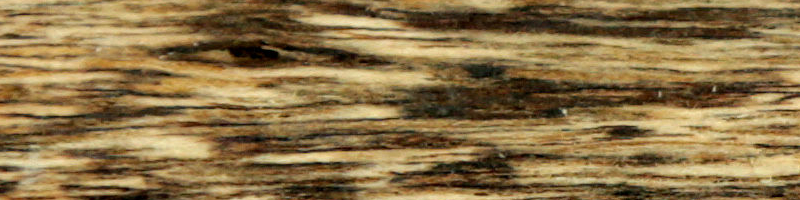
Wikimedia Commons [20a]
Perfumes are one of the main and most sought-after products derived from secondary metabolites. In many instances, they are difficult to source and require exploitation of finite resources. Trees with resin have to be harvested at a slow pace, so the trees don’t die from the stress of being wounded. To produce essential oils, harvesters need to gather gross amounts of organic material to produce very little oil. Some plants contain more oils per pound of organic material, which creates differences in costs between different oils. For these reasons, industrial production of certain plant essential oils is a luxury and not a sustainable practice.
Depending on the species, perfumes can derive from many different types of tissues. For example, in Oud (Aquilaria spp.) the fragrance comes from resins in the wood produced to combat localized infections. In contrast, Palo Santo (Holy Stick, Bursera graveolens) has its fragrant metabolites dispersed throughout the wood.
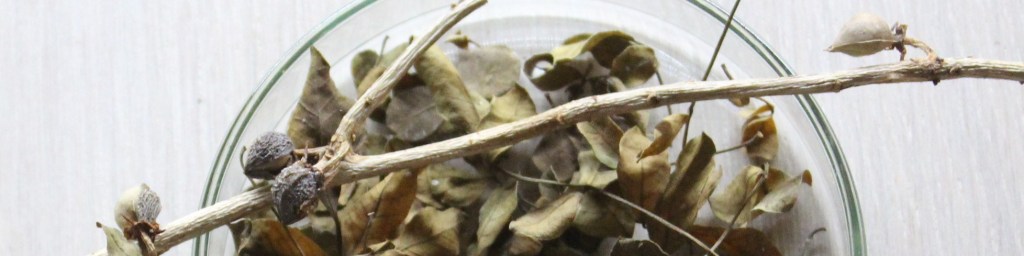

Many of these fragrant secondary metabolites are used in religious ceremonies, because of their unique fragrance and rarity. In ancient México, copal was the name for fragrant smoke. Copal was mostly sourced from the copal tree (Protium copal)[31]. The fragrant resin was used similar to how Frankincense (Boswellia spp.) has been used in the Middle East. In Abrahamic traditions and ancient Egyptian traditions, anointing oil was made from a mix of hard to produce resins and oils for the purpose of marking a special event in a person’s life such as a baptism, a religious rite, a coronation, or in the case of death, an embalming oil.
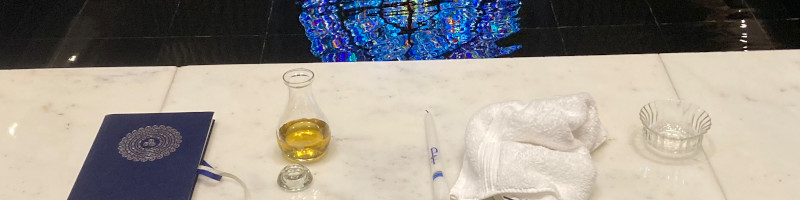

These anointing oils were also used in of early medical practices. Today, countries like Israel and its neighbors invest in research and cultivation of rare biblical plants native to the region such as Commiphora gileadensis. Farmers like Guy Ehrlich have established one-of-a-kind farms and use online stores, so clients around the world can experience them [32].

Right: Modern Bulgarian Rose oil production. Wikimedia Commons [24a] [25a]
In Iran and Bulgaria, the rose industry uses pounds of roses to produce an expensive and small amount of rose oil. These oils are used as an ingredient in perfumes, soaps, and in rose water, a popular drink in the Middle East. Rose oil is very expensive, because in comparison to other plants, roses have a low concentration of oil in their petals.
Oils
When we refer to plant oils, we refer to lipids and volatile compounds produced as primary and secondary metabolites [33]. These chemicals belong to a large class called hydrocarbons for their chains of carbons surrounded by hydrogen. Fatty acids or lipids play an important role in primary metabolism by creating an optimized chemical energy source for seeds, which are small. They also prevent water loss and control cell membrane interactions in adult plants. Within the cells of plants, lipids are created in the plastid organelles, which have their own circular DNA.
Phospholipids are a very important lipid. Phospholipids are found in the membranes of cells. They are polar, one end is hydrophobic or reacts against water (like oil) and the other is hydrophilic or mixes with water (like vinegar). They form a bilayer around cells, which cause them to create a barrier between two bodies of water. These boundaries allow the tonicity in cells to be different from their environment, which is necessary for the osmotic regulation of the cell. When water is full of solutes at this scale, it can undergo supercooling. That’s one reason why pine trees are able to stay alive, while everything else is frozen.
Think of lipids like oils and fats. When a lipid is saturated, the molecular structure is rigid. When all the molecules fill together, they form solid structures like animal tallow, coconut oil (Cocos nucifera), and butter at room temperature. At higher temperatures, the thermal energy is sufficient to break those bonds and cause them to liquify. In contrast, unsaturated lipid molecules are irregularly shaped and don’t bind to each other as easily, like olive oil (Olea europaea), avocado oil (Persea americana), sunflower oil (Helianthus annuus) and peanut oil (Arachis hypogaea). Plants and animals have lipids in them that help them function at different body temperatures. The saturated lipids are suitable for heat-stressed environments where they need to operate at higher temperature, whereas the unsaturated lipids are suitable for cold-stressed environments where they need to maintain fluidity. This is the reason why plants exist in different temperature zones and will stress or die if they are grown in a climate that’s too hot or too cold. Lipids are very important.
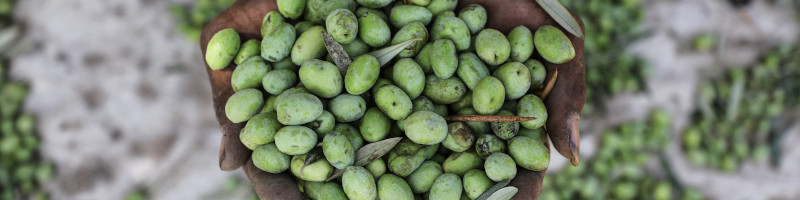
Similarly, our cardiovascular health is influenced by our consumption of saturated lipids, unsaturated lipids or transfats, such as margarine. Transfats are unsaturated oils, which are turned into solids through a process known as hydrogenation. This process occurs in nature, yet food scientists learned to hydrogenate oils and transform them into saturated solids. Because of the strong correlation between artificially created transfats and cardiovascular health, they have been recently banned by the Food and Drug Administration (FDA) in the US [34].
Cooking oils and oils for salads have been studied. Charts show when oils become less healthy or even toxic at high temperatures (boiling point), and what oils are the least or most saturated. Following these simple instructions are a part of eating a balanced diet and why some regions of the world seem to be healthier than others. Oils can also be found in fruits and vegetables, which is why it is recommended to eat them. Steaming vegetables is one way to cook them without burning them.
When pressed, seeds can excrete many oils. For this reason, seeds have been used as a source for oils in cooking, lighting and many other industrial applications such as lubricants and sources for plastics.
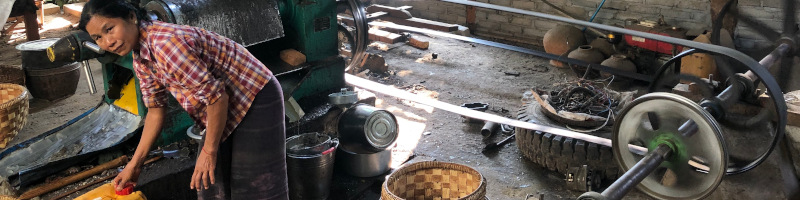


In the 20th century, many inventors, botanists and agriculturalists began to notice the potential for plant oils as a source for hydrocarbon fuels. Prior to this time and like today, motorists relied on petroleum-based products for fuel and plastics. During wars and before large reserves of petroleum were discovered, plant oils seemed to be the best alternative. Chemurgy, an applied field of chemistry interested in exploiting agriculture for industrial applications, became the new frontier of science. Consequentially, today, most gasoline used in cars in the USA is mixed with 10% ethanol sourced from Corn (Zea mays subsp. mays).


1. Paraffin or Kerosene – a fuel used in rocketry, cooking stoves, and lamps, not commonly used today in developed countries.
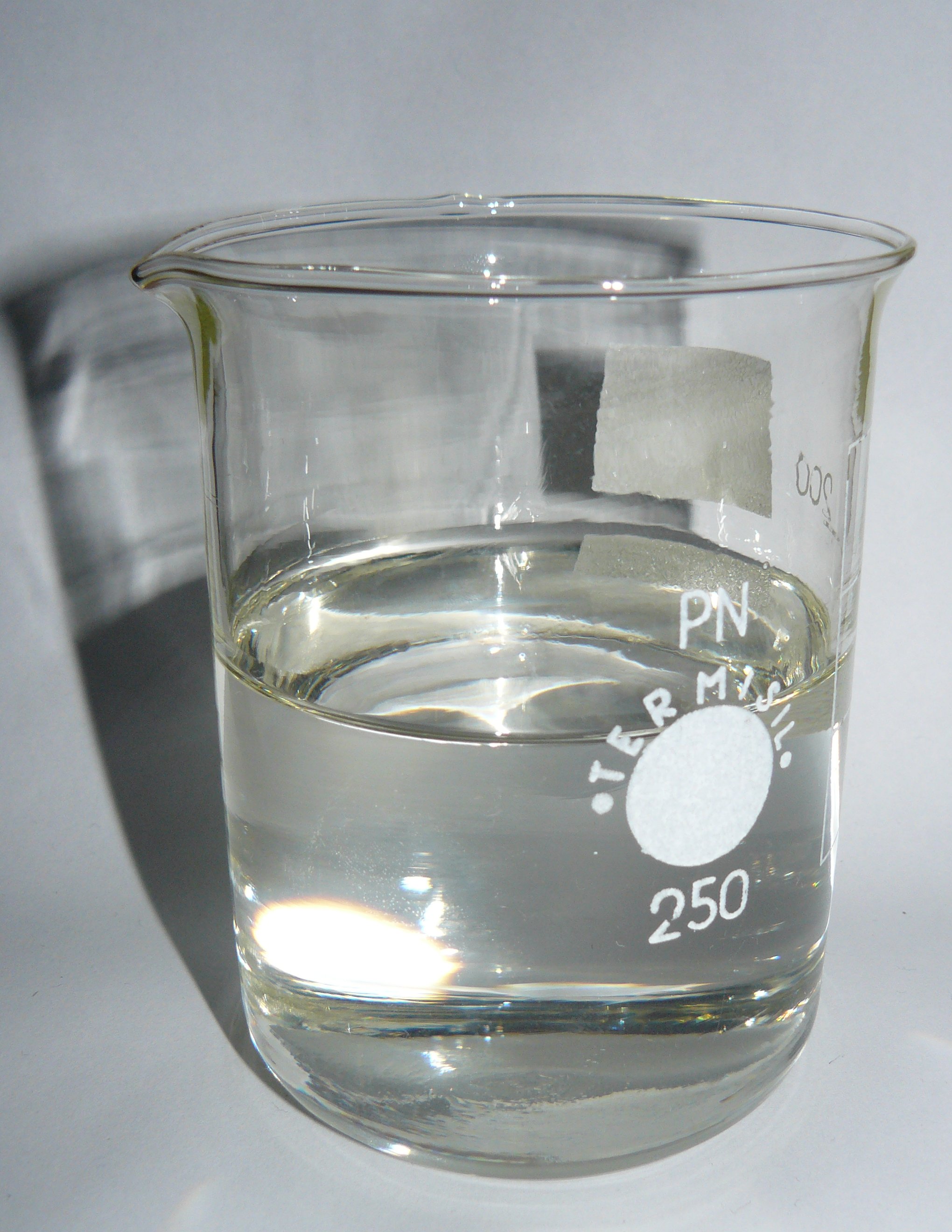
2. Liquid Paraffin or Mineral Oil – a viscous oil used by chemists to protect extremely reactive metals, like Sodium (Na) from Oxygen (O) in air.
3. Paraffin Wax in prill form – Very common petroleum-based wax used for candles and other applications, prills melted into desired shape.
Background: Color of Petroleum.
Wikimedia Commons [32a][33a][34a]


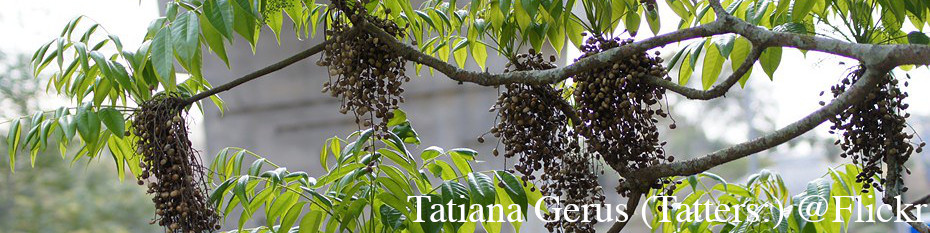
Wax Tree (Toxicodendron succedaneum), a source of plant-based waxes, Sept 25, 2011. Tatters, Flickr. [38a]

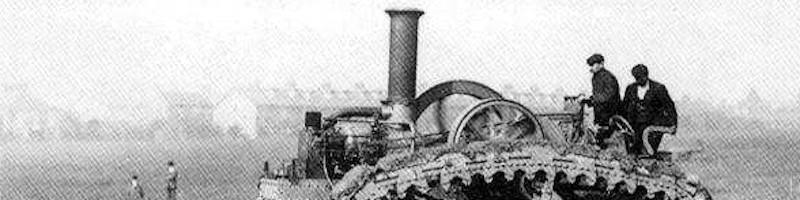
1908. Wikimedia Commons [41a]

George Washington Carver is one of the most unique experts and founders of the field of study [39][40][41][42][43]. He began as a painter and botanical artist before studying Agricultural Science. He received a master’s degree, then became the director of the Department of Agriculture at the Tuskegee Normal and Industrial Institute. There he assisted in the conservation of southern US farms through education and developed new advances in plant chemistry. His experience as a painter allowed him to focus on the processing of plant lipids, which would later introduce him to Henry Ford.


bluephi.net, Warren S. Jr Galloway. Flickr. [45a]
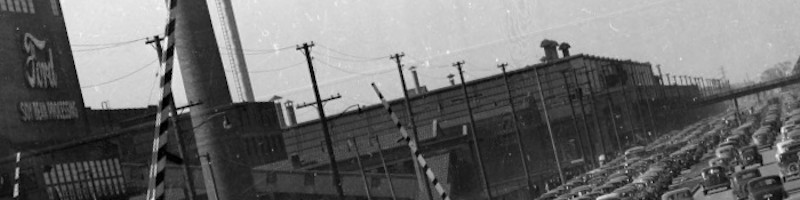
Him and Henry Ford both shared an interested in Chemurgy. During WW2, George Washington Carver’s insights would provide the necessary resources for the Army and potentially inspired Henry Ford to pursue the topic seriously. Henry Ford had a Soybean Processing plant created, where it is purported to have created a plant-plastic exterior to the Ford cars. Because of how advanced this technology would be for its time, some have doubted its viability. Others also have denounced George Washington Carver as a mere celebrity, despite his track record proving otherwise. This same technique is now being reintroduced into luxury vehicles in Europe with hemp (C. sativa) plastics.



The 20th century saw a change in agriculture, which allowed the processing of oil rich seeds into a myriad of products. Because of the availability of petroleum, these products have not successfully replaced it. Instead, these oils have primarily been used for cooking oils and used in feed to fatten livestock. Alternatively, the technology developed during this time would be exploited by militaries and used to ruin thousands of farms across Europe during WW1 and WW2.

Breeders in Canada bred varieties with negligible quantities of Erucic acid for use in cooking oils for human consumption, called Canola. [44][45]
Wikimedia Commons [50a]

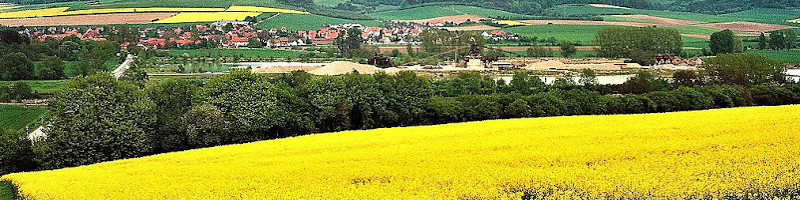
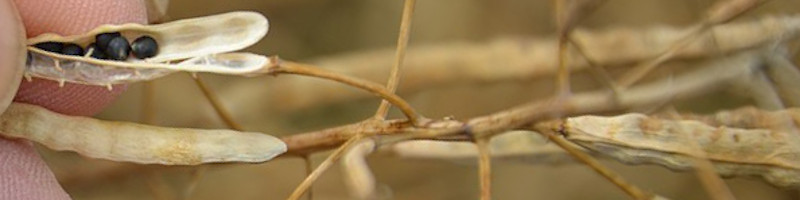
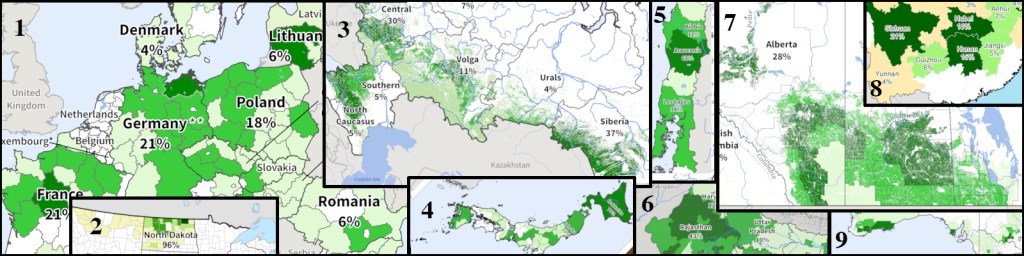
Regions – *Top producers* :
1. Europe* , 2. USA (Canola only), 3. Russia, 4. Japan*,
5. southern Chile, 6. Ukraine, 7. Canada*, 8. China*, 9. southern Australia.
Global Crop Production Maps by Region,
International Production Assessment Division (IPAD),
Foreign Agricultural Service (FAS), USDA. [54a]
Author: Gustavo Meneses
Published: 2023-11-02
Revised: 2025-01-07
Read more
Nowack, Eva C.M. “File:Proposed-model-for-the-evolution-of-phototrophy-in-P-chromatophora-Heterotrophic-and.png”. Dec 1, 2014. Wikimedia Commons. Accessed Nov 16, 2023. https://commons.wikimedia.org/wiki/File:Proposed-model-for-the-evolution-of-phototrophy-in-P-chromatophora-Heterotrophic-and.png
L. Modica. “File:Snap, Digest, Absorb – How the Venus flytrap processes prey 01.png”. Mar 2, 2022. Wikimedia Commons. Accessed Nov 16, 2023. https://commons.wikimedia.org/wiki/File:Snap,Digest,_Absorb-_How_the_Venus_flytrap_processes_prey_01.png
Agudelo-Morales, Carlos & Lerma, Tulio & Martínez Lara, Jina & Palencia, Manuel & Combatt, Enrique. (2021). Phytohormones and Plant Growth Regulators – A Review. Journal of Science with Technological Applications. 10. 27-65. http://doi.org/10.34294/j.jsta.21.10.66.
References
[1] Levetin, E. McMahon, K. “Plants & Society”. 7th Ed. 2016. McGraw-Hill Education. ISBN 978-0-07-802303-3
[2] umaann12. “Mystery of the Dancing Plant: Perhaps the Most Mystical Pea Plant since Jack’s Magic Beanstalk.” Feb 1, 2017. Evergreen State College. Accessed Sep 11, 2023. https://sites.evergreen.edu/plantchemeco/codariocalyx-motorius-mystery-of-the-dancing-plant/
[3] “Formal Charges and Mechanisms – Part 2”. Organic Chemistry Tutorials. Periodic Chemistry. Website. Accessed Nov 13, 2023. https://periodicchemistry.com/2018/08/26/organic-formal-charges-and-mechanisms-part-2/
[4] “A Timeline of Nicotinamide Adenine Dinucleotide Research”. About NAD. Accessed Nov 10, 2023. https://www.aboutnad.com/history/
[5] Blue, Marie-Luise. “Plants Containing Nicotine”. Sept 30, 2021. Sciencing. Accessed Nov 10, 2023. https://sciencing.com/what-plants-have-thc-in-them-12003871.html
[6] Matsuda, K. Ihara, M. Sattelle, DB. “Neonicotinoid Insecticides: Molecular Targets, Resistance, and Toxicity”. Annual Review of Pharmacology and Toxicology. Vol 60, pp. 241-255. https://doi.org/10.1146/annurev-pharmtox-010818-021747
[7] Gallego-Jara, J. Lozano-Terol, G. Sola-Martínez, RA. Cánovas-Díaz, Manuel. de Diego Puente, T. “A Compressive Review about Taxol®: History and Future Challenges”. Dec 17, 2020. Molecules, Dec 2020, vol 25, issue 24, pg. 5986. https://doi.org/10.3390/molecules25245986
[8] Hadacek, Franz. Bachmann, Gert. “Low-molecular-weight metabolite systems chemistry”. March 04, 2015. Front. Environ. Sci. Sec. Environmental Toxicology. Vol 3, 2015. https://doi.org/10.3389/fenvs.2015.00012
- See Figures in article for more metabolite chemical skeletal structures.
[9] “Soaps”. USDA Forest Service. Accessed Oct 31, 2023. https://www.fs.usda.gov/wildflowers/ethnobotany/soaps.shtml
[10] Nesom, Guy. “Red Maple”. Plant Guide. USDA. NRCS. Accessed Oct 31, 2023. https://plants.usda.gov/DocumentLibrary/plantguide/pdf/pg_acru.pdf
[11] “Chapter 9: Volatile Oils”. Department of Pharmacognosy and Nutriciology. National University of Pharmacy (Ukraine). Accessed Oct 31, 2023. https://cnc.nuph.edu.ua/wp-content/uploads/2020/10/theoretical-part-chemistry-volatile-oil.pdf
[12] Li, M. Xiao, Y. Mount, S. Liu, Z. “An Atlas of Genomic Resources for Studying Rosaceae Fruits and Ornamentals”. Apr 1, 2021. Front Plant Sci 2020, vol 12. https://www.ncbi.nlm.nih.gov/pmc/articles/PMC8047320/
[13] Restivo, Jennette. “GERD diet: Foods to avoid to reduce acid reflux”. Jul 31, 2023. Harvard Health. Accessed Sep 11, 2023. https://www.health.harvard.edu/diseases-and-conditions/gerd-diet-foods-to-avoid-to-reduce-acid-reflux
[14] “Directions for Chemical Safety Stories”. National Ag Safety Database (NASD). Accessed Sep 11, 2023. https://nasdonline.org/7331/d002531/chemical-safety-stories.html
[15] Voss, R.E. Davis. Baghott, K.G. Timm, H. “Proper environment for potato storage”. Vegetable Research and Information Center. University of California. Accessed Oct 31, 2023. https://vric.ucdavis.edu/pdf/potatoes/potato_storage.pdf
[16] “How Hazardous Materials Harm the Body”. Federal Emergency Management Agency (FEMA). IS-0005.a: An Introduction to Hazardous Materials. Accessed Sep 11, 2023. https://emilms.fema.gov/is_0005a/groups/135.html
[17] “§ 47.08. Injury to, destruction, or removal of public property.” Milwaukee County Ordinance. elaws.us. Accessed Sep 11, 2023. http://www.milwaukeecounty-wi.elaws.us/code/coor_ch47_subchi_sec47.08
[18] “The myth of the Hippocratic Oath”. Nov 25, 2015. Harvard Health Blog. Accessed Sep 11, 2023. https://www.health.harvard.edu/blog/the-myth-of-the-hippocratic-oath-201511258447
[19] Veeresham, Ciddi. “Natural products derived from plants as a source of drugs”. Journal of Advanced Pharmaceutical Technology & Research. Oct-Dec 2012, vol 3, issue 4, pp.200-201. https://www.ncbi.nlm.nih.gov/pmc/articles/PMC3560124/
[20] Kaushik, Bhupesh. Sharma, Jatin. Yadav, Keshav. Krumar, Prithik. Shourie, Abhilasha. “Phytochemical Properties and Pharmacological Role of Plants: Secondary Metabolites”. iosci Biotech Res Asia, Vol 18, Iss 1, 2021. http://dx.doi.org/10.13005/bbra/2894
[21] “Drugs and the Brain”. Drugs, Brains, and Behavior: The Science of Addiction. Jul 2020. Website. Accessed Sep 19, 2023. https://nida.nih.gov/publications/drugs-brains-behavior-science-addiction/drugs-brain
[22] Schmitt, Kellie. “A Brief History of Opioids in the U.S.”. Nov 8, 2023. Hopkins Bloomberg Public Health magazine. Bloomberg School of Public Health. John Hopkins University. Accessed Nov 10, 2023. https://magazine.jhsph.edu/2023/brief-history-opioids-us
[23] Webster, Adrienne. “Fentanyl Addiction Satistics: Fentanyl Statistics in the U.S.” Sept 14, 2023. American Addiction Centers. Accessed Oct 31, 2023. https://americanaddictioncenters.org/fentanyl-treatment/addiction-statistics
[24] “Fentanyl Awareness”. United States Drug Enforcement Agency (DEA). U.S. Department of Justice. Accessed Nov 10, 2023. https://www.dea.gov/fentanylawareness
[25] “Synthetic Cannabinoids Fact Sheet”. Office of Addiction Services and Supports(OASAS). New York State. PDF. Accessed Nov 10, 2023. https://oasas.ny.gov/system/files/documents/2023/04/synthetics-facts-sheet.pdf
[26] Bever, Lindsey. “Synthetic marijuana leaves two dead and dozens with severe bleeding”. Apr 3, 2018. The Washington Post. Accessed Nov 10, 2023. https://www.washingtonpost.com/news/to-your-health/wp/2018/04/03/synthetic-marijuana-leaves-two-dead-and-dozens-with-severe-bleeding/
[27] Miller, Michelle. “Synthetic marijuana overdose turns dozens into “zombies” in NYC”. Jul 13, 2016. CBS NEWS. Accessed Nov 10, 2023. https://www.cbsnews.com/news/synthetic-marijuana-overdose-turn-dozens-into-zombies-in-nyc/
[28] Matthews, Justin. “Family mourns former JROTC member who died after using poisoned ‘spice'”. Dec 15, 2021. FOX 13 Tampa Bay. Accessed Nov 10, 2023. https://www.fox13news.com/news/family-mourns-former-jrotc-member-who-died-after-using-poisoned-spice
[29] Speiser, Matthew. “A deadly drug called ‘K2’ has taken over an entire block in New York City”. Sep 30, 2015. News. Yahoo. Accessed Nov 10, 2023. https://news.yahoo.com/deadly-drug-called-k2-taken-223000881.html
[30] Adams, AJ. Banister, SD. Irizarry, L. Trecki, J. Schwartz, M. Gerona, R. ““Zombie” Outbreak Caused by the Synthetic Cannabinoid AMB-FUBINACA in New York”. Jan 9, 2017. The New England Journal of Medicine, 2017. Volume 376, pp. 235-242. https://doi.org/10.1056/NEJMoa1610300/
[31] Gilmer, Maureen. “Copal: The incense of ancient Mexico”. Nov 2, 2019. Desert Sun. Accessed Oct 31, 2023. https://www.desertsun.com/story/life/home-garden/maureen-gilmer/2019/11/02/copal-the-incense-of-ancient-mexico/4096376002/
[32] Ehlrich, Guy. About. Balm of Gilead Farm. Accessed Oct 30, 2023. https://www.balmofgileadfarm.com/
[33] Kim, Hyun Uk. “Lipid Metabolism in Plants”. Jul 9, 2020. plants 2020, vol 9, issue 7, pg.871. https://doi.org/10.3390/plants9070871
[34] “Artificial trans fats banned in U.S.” News. Harvard T.H. Chan School of Public Health. Accessed Oct 31, 2023. https://www.hsph.harvard.edu/news/hsph-in-the-news/us-bans-artificial-trans-fats/
[35] MOGO映像ライブラリー.”木蝋づくり”. May 5, 2017. YouTube. Video. Accessed Oct 30, 2023. https://www.youtube.com/watch?v=ds_AY5lCcik
[36] Moore, Sam. “Ten Agricultural Inventions that Changed the Face of Farming in America”. Farm Collector. Accessed Oct 30, 2023. https://www.farmcollector.com/equipment/ten-agricultural-inventions-in-farming-history/
[37] Bellis, Mary. “History of American Agriculture”. Aug 27, 2021. ThoughtCo. Accessed Oct 30, 2023. https://www.thoughtco.com/history-of-american-agriculture-farm-machinery-4074385
[38] Lessiter, M. Lessiter, F. Glass, C. “Timeline of Ag Equipment ‘Firsts'”. Manufacturer News. Farm Equipment. Accessed Oct 30, 2023. https://www.farm-equipment.com/articles/4269-timeline-of-ag-equipment-firsts
[39] “George Washington Carver: Botanist, Inventor, and Savior of the South’s Agriculture”. Feb 10, 2020. Capitol Technology University. Accessed Oct 30, 2023. https://www.captechu.edu/blog/george-washington-carver-botanist-inventor-and-savior-of-souths-agriculture
[40] Sandborn, Dixie. Michigan State Univ. Extension. “George Washington Carver’s contributions to agriculture in the U.S.” Feb 13, 2019. 4-H Global & Cultural Education. MSU Extension. Accessed Oct 30, 2023. https://www.canr.msu.edu/news/george-washington-carvers-contributions-to-agriculture-in-the-us
[41] Benitez-Alfonso, Yoselin. “George Washington Carver: A plant scientist’s perspective”. Jan 10, 2022. Current Biology, Volume 32, Issue 1. https://doi.org/10.1016/j.cub.2021.11.058
[42] “George Washington Carver”. Britannica. Accessed Oct 31, 2023. https://www.britannica.com/biography/George-Washington-Carver
[43] “George Washington Carver and Henry Ford Shared a Bio-Fuel (Ethanol) Vision”. Feb 18, 2007. The Auto Channel. Accessed Oct 30, 2023. https://www.theautochannel.com/news/2007/02/18/037624.html
[44] Oplinger, E.S. Hardman, L.L. Gritton, E.T. Doll, J.D. Kelling, K.A. “Canola”. Corn Agronomy. UW-Madison. Accessed Oct 30, 2023. http://corn.agronomy.wisc.edu/Crops/Canola.aspx
[45] “History of canola seed development”. Canola Encyclopedia. Canola Council of Canada. Accessed Nov 2, 2023. https://www.canolacouncil.org/canola-encyclopedia/history-of-canola-seed-development/#the-history-of-canola-seed-in-canada
Images
[1a] Mostafameraji. “File:مراسم گلابگیری در قمصر کاشان Golabgiri (“making Rosewater”) – Ghamsar- Kashan- Iran 50.jpg”. May 16, 2014. Wikimedia Commons. Accessed Aug 30, 2023. https://commons.wikimedia.org/wiki/File:%D9%85%D8%B1%D8%A7%D8%B3%D9%85_%DA%AF%D9%84%D8%A7%D8%A8%DA%AF%DB%8C%D8%B1%DB%8C_%D8%AF%D8%B1_%D9%82%D9%85%D8%B5%D8%B1_%DA%A9%D8%A7%D8%B4%D8%A7%D9%86_Golabgiri_(%22making_Rosewater%22)_-_Ghamsar-_Kashan-_Iran_50.jpg
[2a] Wilhelm Taubert, Paul Hermann. “File:Codariocalyx motorius Taub39.png”. 1891. Wikimedia Commons. Accessed Sep 11, 2023. https://upload.wikimedia.org/wikipedia/commons/3/39/Codariocalyx_motorius_Taub39.png
[3a] CNX OpenStax. “File:OSC Microbio 03 02 Endosymbio.jpg”. Nov 11, 2016. Wikimedia Commons. Accessed Nov 16, 2023. https://commons.wikimedia.org/w/index.php?curid=53712355
[4a] Elhardt, Noah. “File:Venus Flytrap showing trigger hairs.jpg”. Jul 15, 2005. Wikimedia Commons. Accessed Nov 16, 2023. https://commons.wikimedia.org/wiki/File:Venus_Flytrap_showing_trigger_hairs.jpg
[5a] Dlouhý, Petr. “File:Dionaea distribution.svg”. Jul 25, 2006. Wikimedia Commons. Accessed Nov 16, 2023. https://commons.wikimedia.org/wiki/File:Dionaea_distribution.svg
[6a] NEUROtiker. “File:Nicotinamid.svg”. Jun 30, 2007. Wikimedia Commons. Accessed Nov 10, 2023. https://commons.wikimedia.org/wiki/File:Nicotinamid.svg
[7a] NEUROtiker. “File:Brenztraubensäure.svg”. Dec 13, 2007. Wikimedia Commons. Accessed Nov 13, 2023. https://commons.wikimedia.org/wiki/File:Brenztraubens%C3%A4ure.svg
[8a] NEUROtiker. “File:Zitronensäure – Citric acid.svg”. Feb 23, 2007. Wikimedia Commons. Accessed Nov 13, 2023. https://commons.wikimedia.org/wiki/File:Zitronensäure_-_Citric_acid.svg
[9a] Boghog. “File:Secondary metabolite class examples.svg”. Jul 18, 2014. Wikimedia Commons. Accessed Nov 10th, 2023. https://commons.wikimedia.org/wiki/File:Secondary_metabolite_class_examples.svg
[10a] Hammond, Ken. “File:Tobacco.jpg”. Wikimedia Commons. Accessed Nov 13, 2023. https://commons.wikimedia.org/wiki/File:Tobacco.jpg
[11a] Leidus, Ivar. “File:Lemon – whole and split.jpg”. Nov 29, 2020. Wikimedia Commons. Accessed Nov 13, 2023. https://commons.wikimedia.org/wiki/File:Lemon_-_whole_and_split.jpg
[12a] Snarfevs. “File:Taxol structure.svg”. Nov 24, 2006. Wikimedia Commons. Accessed Nov 10, 2023. https://commons.wikimedia.org/wiki/File:Taxol_structure.svg
[13a] Didier Descouens. “File:Taxus baccata MHNT.jpg”. Aug 10, 2012. Wikimedia Commons. Accessed Nov 13, 2023. https://commons.wikimedia.org/wiki/File:Taxus_baccata_MHNT.jpg
[14a] Jan, R. Asaf, S. Numan, M. Lubna. Kim, KM. “File:Plant secondary metabolite biosynthesis.png”. May 13, 2021. “Plant Secondary Metabolite Biosynthesis and Transcriptional Regulation in Response to Biotic and Abiotic Stress Conditions”. Agronomy 2021, 11(5), pg.968. Wikimedia Commons. Accessed Nov 10th, 2023. https://commons.wikimedia.org/wiki/File:Plant_secondary_metabolite_biosynthesis.png
[15a] Vieira, Lucas. “File:Fourier transform time and frequency domains.gif”. Feb 23, 2013. Wikimedia Commons. Accessed Nov 15, 2023. https://commons.wikimedia.org/wiki/File:Fourier_transform_time_and_frequency_domains.gif
[16a] Jammmick. “File:June 3 Farmers Market, Harrisonburg, Va., 2010 (4953468809).jpg”. Jun 3, 2010. Wikimedia Commons. Accessed Sep 11, 2023. https://commons.wikimedia.org/wiki/File:June_3_Farmers_Market,Harrisonburg,_Va.,_2010(4953468809).jpg
[17a] Alexrk. “File:Map Alexander von Humboldt expedition-de.png”. March 2008. Wikimedia Commons. Accessed Nov 13, 2023. https://commons.wikimedia.org/wiki/File:Map_Alexander_von_Humboldt_expedition-de.png
[18a] Notafly. “File:Humboldt RUS.jpg”. March 15, 2019. Wikimedia Commons. Accessed Nov 13, 2023. https://commons.wikimedia.org/wiki/File:Humboldt_RUS.jpg
[19a] “Treatment of Addiction”. Neurowiki 2014. University of Toronto. Accessed Nov 13, 2023. http://neurowiki2014.wikidot.com/individual:treatment-of-addiction
[20a] Libaibai808. “File:T019.JPG”. Jun 22, 2014. Wikimedia Commons. Accessed Sep 11, 2023. https://commons.wikimedia.org/wiki/File:T019.JPG
[21a] Deror_avi. “File:Balm of Gilead IMG 9781.JPG”. Jun 6, 2014. Wikimedia Commons. Accessed Oct 30, 2023. https://commons.wikimedia.org/wiki/File:Balm_of_Gilead_IMG_9781.JPG
[22a] Sailiko. “File:Xviii dinastia, rilievi di merymery, da sakkara, 1350 ac ca. 02.jpg”. Mar 16, 2017. Wikimedia Commons. Accessed Nov 1, 2023. https://commons.wikimedia.org/wiki/File:Xviii_dinastia,_rilievi_di_merymery,_da_sakkara,_1350_ac_ca._02.jpg
[23a] “…لوحة “حابى” اله”. Dec 13, 2013. Egyptian Agricultural Museum. Blogspot. Accessed Nov 1, 2023. http://egyptianagriculturalmuseum.blogspot.com/2013/12/hapi-god-of-nile-in-pharaonic-era-and.html
- Oil jars show zig-zag symbol of liquid. Above are Egyptian lotus flowers (Nymphaea lotus).
[24a] Le Queux, William. “File:Bulgaria – Testing Otto of Rose at Kazanlik (W Le Queux).jpg”. 1906. Wikimedia Commons. Accessed Sep 11, 2023. https://commons.wikimedia.org/wiki/File:Bulgaria_-Testing_Otto_of_Rose_at_Kazanlik(W_Le_Queux).jpg
[25a] Animsaj. “File:Rose oil.jpg”. Wikimedia Commons. Accessed Sep 11, 2023. https://upload.wikimedia.org/wikipedia/commons/9/9c/Rose_oil.jpg
[26a] “Olive Harvest in Gaza”. Oct 6, 2018. Middle East Monitor. Accessed Oct 30, 2023. https://www.middleeastmonitor.com/20181006-olive-harvest-in-gaza/
[27a] Amandagracie7. “File:Y Sunflower Press.jpg”. Jan 30, 2020. Wikimedia Commons. Accessed Oct 30, 2023. https://commons.wikimedia.org/wiki/File:Y_Sunflower_Press.jpg
[28a] Wilmot, David. “Sunflower snack”. Aug 29, 2006. Pingyao, China. Flickr. Accessed Oct 30, 2023. https://www.flickr.com/photos/david_wilmot/250361618/
[29a] Judgefloro. “File:9248Cuisine Foods Seeds Snack Baliuag Bulacan 18.jpg”. Aug 18, 2017. Wikimedia Commons. Accessed Oct 30, 2023. https://commons.wikimedia.org/wiki/File:9248Cuisine_Foods_Seeds_Snack_Baliuag_Bulacan_18.jpg
[30a] “Crude sunflower oil unrefined #32723”. Jun 7, 2015. tOrange.biz. Accessed Oct 30, 2023. https://torange.biz/crude-sunflower-oil-unrefined-32723
[31a] Nefronus. “File: Petroleum sample.jpg”. Oct 12, 2020. Wikimedia Commons. Accessed Oct 30, 2023. https://commons.wikimedia.org/wiki/File:Petroleum_sample.jpg
[32a] Burger. “File:Kerosene in mason jar.JPG”. Oct 23, 2008. Wikimedia Commons. Accessed Nov 2, 2023. https://commons.wikimedia.org/wiki/File:Kerosene_in_mason_jar.JPG
[33a] Chemik10. “File:Liquid paraffin in beaker.jpg”. Jan 12, 2008. Wikimedia Commons. https://upload.wikimedia.org/wikipedia/commons/6/62/Liquid_paraffin_in_beaker.jpg
[34a] Gmhofmman. “File:Paraffin.jpg”. Nov 7, 2011. Wikimedia Commons. Accessed Nov 2, 2023. https://upload.wikimedia.org/wikipedia/commons/d/d7/Paraffin.jpg
[35a] Helgi. “File:Graben v3.png”. 2009. Wikimedia Commons. Accessed Oct 30, 2023. https://commons.wikimedia.org/wiki/File:Graben_v3.png
[36a] Svklimkin. “File:Kerosene lamp 1930.jpg” Aug 3, 2016. Wikimedia Commons. Accessed Oct 30, 2023. https://commons.wikimedia.org/wiki/File:Kerosene_lamp_1930.jpg
[37a] Siyavula Education, “Natural gas formation”. April 3, 2014. Flickr. Accessed Oct 30, 2023. https://www.flickr.com/photos/121935927@N06/13598599604
[38a] Tatters. “Fruiting Wax Tree”. Sept 25, 2011. Wikimedia Commons. Accessed Oct 30, 2023. https://www.flickr.com/photos/tgerus/6257530158/in/photostream/
[39a] Takobou. “File:Japan wax.jpg”. 木蝋. Wikimedia Commons. Access Oct 30, 2023. https://commons.wikimedia.org/wiki/File:Japan_wax.jpg
[40a] Nwzksh. “File:Japan wax hakurou.jpg”. Jan 2, 2021. Wikimedia Commons. Accessed Nov 2, 2023. https://commons.wikimedia.org/wiki/File:Japan_wax_hakurou.jpg
[41a] Anonymous. “File:Roberts tracked steam tractor.jpg”. ca 1908. Wikimedia Commons. Accessed Oct 30, 2023. https://commons.wikimedia.org/wiki/File:Roberts_tracked_steam_tractor.jpg
- Parrafin-driven, not steam
[42a] “George Washington Carver Painting”, Tuskegee University Archives, Encyclopedia of Alabama.
http://encyclopediaofalabama.org/article/m-2169
[43a] Johnston, Frances Benjamin.”File:George Washington Carver, ca. 1902.jpg”. 1902. Wikimedia Commons. Accessed Oct 30, 2023. https://en.wikipedia.org/wiki/File:George_Washington_Carver,_ca._1902.jpg
[44a] U.S. Department of Agriculture. “2011110-OC-AMW-0024”. 1917. Flickr. Accessed Oct 30, 2023. https://www.flickr.com/photos/usdagov/6510685959/in/photostream/
[45a] bluephi.net. Galloway, Warren S. Jr. “George Washington Carver with Henry Ford”. Accessed Oct 30, 2023. https://www.flickr.com/photos/phibetasigma/3784353794/in/photostream/
[46a] Lloyd, John. “Traffic at the Ford Soybean Plant”. 1942. Flickr. Accessed Oct 30, 2023. https://www.flickr.com/photos/hugo90/5449895902/in/photostream/
[47a] United Soybean Board, “High Oleic Soybeans Ready for Harvest”. Oct 3, 2013. Flickr. Accessed Oct 30, 2023. https://www.flickr.com/photos/unitedsoybean/10872548986/in/photostream/
[48a] United Soybean Board, “Soybeans at Loaded for Transport”. Oct 18, 2005. Flickr. Accessed Oct 30, 2023. https://www.flickr.com/photos/unitedsoybean/10138337604
[49a] The Henry Ford, “Manufacturing Soybean Car Parts, 1940”. Flickr. Accessed Oct 30, 2023. https://www.flickr.com/photos/thehenryford/5912963922
[50a] Edgar181. “File:Erucic acid.png”. Wikimedia Commons. Accessed Oct 30, 2023. https://commons.wikimedia.org/wiki/File:Erucic_acid.png
[51a] Roletschek, Ralf. “File:2009-05-20-barnim-by-RalfR-16.jpg”. May 20, 2009. Wikimedia Commons. Accessed Nov 2, 2023. https://commons.wikimedia.org/wiki/File:2009-05-20-barnim-by-RalfR-16.jpg
[52a] Siebenbergefreundin. “File:Blick auf Brüggen und die Sieben Berge.jpg”. Mar 2, 2012. Wikimedia Commons. Accessed Nov 2, 2023. https://commons.wikimedia.org/wiki/File:Blick_auf_Br%C3%BCggen_und_die_Sieben_Berge.jpg
[53a] Robertson, Clinton & Charles. “File:Rape Seed Pod & Seeds (5948189512).jpg”. Jul 17, 2011. Wikimedia Commons. Accessed Nov 2, 2023. https://commons.wikimedia.org/wiki/File:Rape_Seed_Pod_%26_Seeds_(5948189512).jpg
[54a] “Global Crop Production Maps by Region”. International Production Assessment Division (IPAD). Foreign Agricultural Service (FAS). USDA. Accessed Nov 2, 2023. https://ipad.fas.usda.gov/rssiws/al/global_cropprod.aspx
 PRO - Plant Research Organization


_-_Ghamsar-_Kashan-_Iran_50.jpg)


.jpg)


.jpg)




.jpg)
One reply to “Plant Metabolites”